


Are there any international standards for wine bottle labels?
As a supplier of Wine Bottle Labels, I've often been asked about the existence of international standards for these crucial pieces of packaging. Wine bottle labels serve multiple purposes: they provide consumers with essential information about the wine, act as a marketing tool for producers, and in many cases, are subject to regulatory requirements. But is there a single set of international standards that govern them? Let's delve into this complex topic.

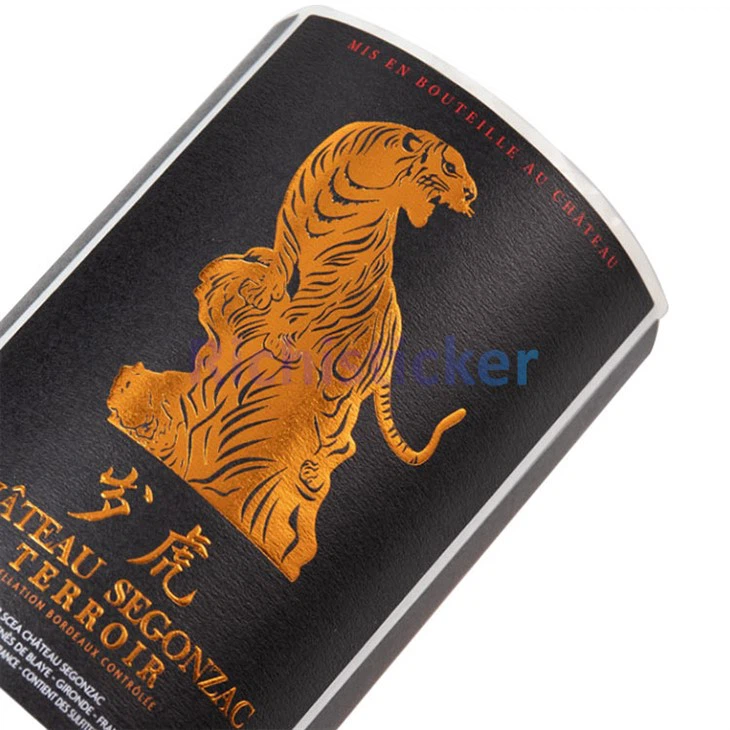
The Need for Wine Bottle Labels
Before we explore the standards, it's important to understand why wine bottle labels are so significant. For consumers, a label is the first point of contact with a wine. It can tell them about the grape variety, the region where the wine was produced, the vintage, and the alcohol content. This information helps consumers make informed choices based on their preferences. For producers, labels are a way to differentiate their products in a crowded market. A well - designed label can attract attention and convey the brand's identity and quality.
Regional and National Regulations
In reality, there is no one - size - fits - all international standard for wine bottle labels. Instead, different countries and regions have their own sets of regulations.
European Union (EU)
The EU has a comprehensive set of rules regarding wine labeling. These regulations aim to protect consumers, ensure fair competition, and promote the quality and origin of European wines. For example, wines labeled as "Appellation d'Origine Contrôlée" (AOC) in France or "Denominazione di Origine Controllata e Garantita" (DOCG) in Italy must meet strict criteria regarding grape variety, production methods, and geographical origin. The label must clearly state the wine's category, the name of the region, and sometimes even the specific vineyard. Additionally, the alcohol content, net volume, and sulfite information must be provided.
United States
In the United States, the Alcohol and Tobacco Tax and Trade Bureau (TTB) regulates wine labels. Similar to the EU, the TTB requires labels to include information such as the brand name, alcohol content, net volume, and a health warning. For wines that claim a specific grape variety, at least 75% of the wine must be made from that grape. There are also regulations regarding the use of geographical names, and wines labeled with a specific appellation must meet certain requirements related to the place of origin.
Australia and New Zealand
These countries have their own labeling regulations as well. They focus on providing consumers with clear information about the wine, including the variety, region, and alcohol content. There are also rules regarding the use of terms like "organic" and "biodynamic" on labels.
Common Elements in Wine Labeling
Despite the lack of a single international standard, there are some common elements that tend to appear on wine labels around the world:
Brand and Producer Information
The name of the winery or producer is almost always present on the label. This helps consumers identify the source of the wine and build brand loyalty.
Grape Variety
Many labels list the grape variety or varieties used in the wine. This is important for consumers who have preferences for certain types of grapes, such as Cabernet Sauvignon or Chardonnay.
Alcohol Content
The percentage of alcohol by volume is a standard piece of information on wine labels. It allows consumers to gauge the strength of the wine and make responsible drinking decisions.
Vintage
The year in which the grapes were harvested, known as the vintage, is often included on the label. Vintage can have a significant impact on the flavor and quality of the wine, so this information is valuable to consumers.
Our Offerings as a Wine Bottle Labels Supplier
At our company, we understand the diverse regulatory requirements for wine bottle labels. We offer a wide range of label options to meet the needs of our clients in different markets.
We have Self Adhesive Wine And Liquor Label, which are easy to apply and provide a professional look. These labels are available in various sizes and designs, allowing wineries to create a unique identity for their products.
Our Embossed Coated Paper Bronzing Wine Label adds a touch of elegance and luxury to the wine bottle. The embossed effect and bronzing details make the label stand out on the shelf, attracting the attention of consumers.
For those looking for a more modern and eye - catching option, we also offer Bronzing Self - Adhesive Wine Labels. These labels combine the convenience of self - adhesive technology with the visual appeal of bronzing, making them a popular choice among winemakers.
Conclusion and Call to Action
In conclusion, while there is no single international standard for wine bottle labels, the regulations in different countries and regions share some common goals: to protect consumers and ensure the accurate representation of the wine. As a wine bottle labels supplier, we are committed to helping our clients navigate these regulations and create labels that meet both legal requirements and marketing needs.
If you are a winery or a wine distributor in need of high - quality wine bottle labels, we invite you to contact us for a consultation. Our team of experts can work with you to design and produce labels that are not only compliant with the relevant regulations but also help your wine stand out in the market. Let's start a conversation about how we can meet your specific labeling needs.
References
- European Union Wine Labeling Regulations. Available at: [EU Wine Regulations Website]
- Alcohol and Tobacco Tax and Trade Bureau (TTB) Wine Labeling Requirements. Available at: [TTB Website]
- Australian and New Zealand Wine Labeling Guidelines. Available at: [Relevant Australian and New Zealand Wine Industry Websites]


