


As a supplier of wine bottle labels, I've witnessed firsthand the importance of adhering to regional regulations. The European Union (EU) has a comprehensive set of rules governing wine bottle labels, which are designed to protect consumers and ensure fair competition in the market. In this blog post, I'll delve into these regulations, explain their significance, and highlight how our labels can help you meet these requirements.
The Importance of EU Wine Label Regulations
The EU's wine label regulations serve several key purposes. Firstly, they provide consumers with essential information about the wine they're purchasing. This includes details such as the wine's origin, grape variety, alcohol content, and any potential allergens. By having access to this information, consumers can make informed decisions about the wines they buy, taking into account their personal preferences and dietary needs.
Secondly, these regulations help to prevent fraud and misrepresentation in the wine industry. By setting clear standards for what can and cannot be stated on a wine label, the EU ensures that consumers are getting what they pay for. For example, a wine labeled as "Champagne" must be produced in the Champagne region of France using specific methods, and any wine labeled as such must meet these criteria.
Finally, the regulations promote fair competition among wine producers. By ensuring that all producers adhere to the same rules, it creates a level playing field where quality and innovation can thrive. This benefits both producers and consumers, as it encourages the production of high-quality wines and gives consumers a wider range of choices.
Key Requirements of EU Wine Label Regulations
1. Product Name
The name of the wine must accurately reflect its origin, grape variety, or style. For example, a wine made primarily from Chardonnay grapes should be labeled as a "Chardonnay" or a "Blanc de Blancs" if it's a sparkling wine made from white grapes. If the wine is a blend, the label must list the main grape varieties used.
2. Origin
The label must indicate the geographical origin of the wine. This can be a specific region, such as Bordeaux or Rioja, or a broader area, such as the EU or a member state. The origin information helps consumers understand the unique characteristics of the wine and its connection to a particular place.
3. Alcohol Content
The alcohol content of the wine must be clearly stated on the label, usually as a percentage by volume (ABV). This information is important for consumers to know, especially if they're watching their alcohol intake or have specific health concerns.
4. Allergen Information
If the wine contains any potential allergens, such as sulfites or milk proteins, this must be clearly indicated on the label. This is crucial for consumers with allergies or intolerances, as it allows them to avoid wines that could cause an adverse reaction.
5. Vintage
If the wine is a vintage wine, meaning it's made from grapes harvested in a specific year, the vintage year must be stated on the label. This information can be important for consumers, as it can affect the taste and quality of the wine.
6. Producer Information
The label must include the name and address of the producer or bottler of the wine. This allows consumers to contact the producer if they have any questions or concerns about the wine.

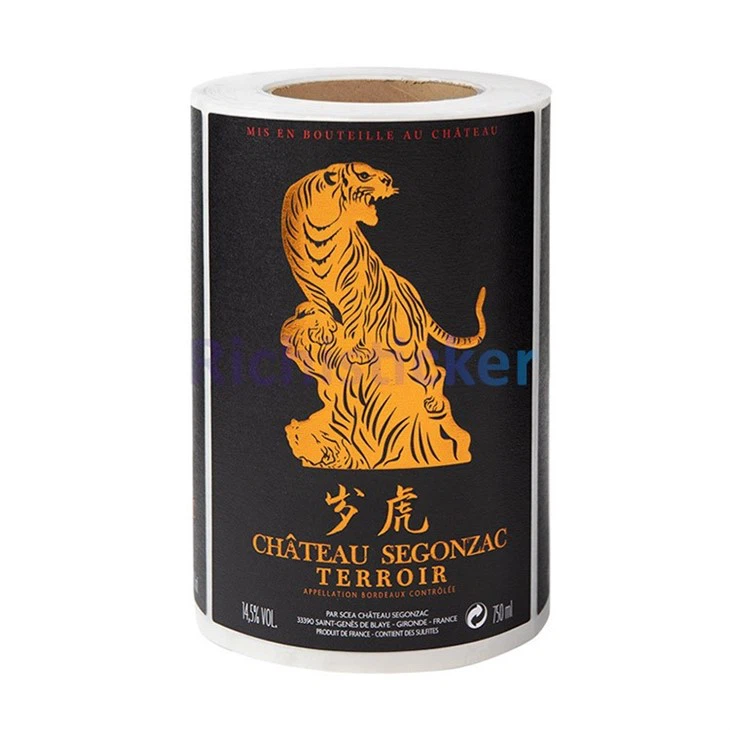
How Our Wine Bottle Labels Can Help You Comply
At our company, we understand the importance of complying with EU wine label regulations. That's why we offer a wide range of high-quality wine bottle labels that are designed to meet these requirements. Our labels are made from durable materials and are available in a variety of styles and finishes to suit your brand's needs.
1. Customizable Labels
We offer customizable wine bottle labels that can be tailored to your specific requirements. Whether you need a simple label with basic information or a more elaborate design that showcases your brand's personality, we can create a label that meets your needs. Our design team has extensive experience in creating wine labels that are both visually appealing and compliant with EU regulations.
2. Regulatory Compliance
Our labels are designed to ensure that all the necessary information required by EU regulations is clearly and accurately displayed. We stay up-to-date with the latest regulatory changes and ensure that our labels are always in compliance. This gives you peace of mind knowing that your wine bottles will meet all the necessary requirements.
3. High-Quality Materials
We use only the highest quality materials for our wine bottle labels to ensure that they look great and last. Our labels are made from durable paper or film materials that are resistant to moisture, fading, and tearing. This ensures that your labels will maintain their appearance and integrity throughout the life of the wine bottle.
4. Variety of Styles
We offer a wide variety of styles and finishes for our wine bottle labels, including Bronzing Self-Adhesive Wine Labels, Embossed Wine UV Bronzing Stickers Silk Paper, and Hot Stamping Sticker For Wine Bottle. Whether you're looking for a classic, elegant look or a more modern, eye-catching design, we have a label style that will suit your brand.
Contact Us for Your Wine Bottle Label Needs
If you're a wine producer or distributor in the EU, it's essential that you comply with the wine label regulations. Our company can help you navigate these regulations and provide you with high-quality wine bottle labels that meet all the necessary requirements.
We're committed to providing our customers with the best possible service and products. Our team of experts is available to answer any questions you may have and to help you choose the right labels for your wine bottles. Whether you're a small boutique winery or a large-scale producer, we have the experience and resources to meet your needs.
If you're interested in learning more about our wine bottle labels or would like to discuss your specific requirements, please don't hesitate to contact us. We look forward to working with you to create labels that will enhance the appearance and marketability of your wines.
References
- European Union. (20XX). Wine Labeling Regulations. Retrieved from [EU Official Website]
- International Organization of Vine and Wine (OIV). (20XX). International Code of Oenological Practices. Retrieved from [OIV Website]
- Wine Institute. (20XX). Wine Labeling Laws and Regulations. Retrieved from [Wine Institute Website]


