


Ensuring the longevity of etched brass labels is a crucial concern for both suppliers like me and customers who rely on these durable identification solutions. As a supplier of Etched Brass Labels, I understand the importance of providing products that stand the test of time. In this blog post, I will share some key strategies and best practices to help you maximize the lifespan of your etched brass labels.
Understanding the Properties of Brass
Before delving into the specific methods for ensuring longevity, it's essential to understand the properties of brass. Brass is an alloy composed primarily of copper and zinc, with varying proportions of other elements depending on the specific type of brass. This combination gives brass several desirable characteristics, including excellent corrosion resistance, high durability, and a distinctive aesthetic appeal.
One of the main factors contributing to the longevity of brass is its ability to form a protective oxide layer on its surface. This layer, known as patina, acts as a barrier against environmental factors such as moisture, oxygen, and pollutants, preventing them from reaching the underlying metal and causing corrosion. However, the formation of patina can be influenced by various factors, including the composition of the brass, the environment in which the label is used, and the maintenance practices employed.
Choosing the Right Brass Alloy
The choice of brass alloy is a critical factor in determining the longevity of etched brass labels. Different brass alloys have different compositions and properties, which can affect their resistance to corrosion, wear, and other forms of damage. When selecting a brass alloy for your labels, it's important to consider the specific requirements of your application, including the environmental conditions, the expected lifespan of the label, and the desired aesthetic appearance.
One of the most commonly used brass alloys for etched labels is C260, also known as cartridge brass. This alloy contains approximately 70% copper and 30% zinc, making it relatively strong, ductile, and corrosion-resistant. Cartridge brass is also easy to machine and etch, making it a popular choice for a wide range of applications.
Another popular brass alloy for etched labels is C360, also known as free-cutting brass. This alloy contains a small amount of lead, which improves its machinability and makes it easier to form complex shapes. However, the presence of lead can also make C360 more susceptible to corrosion in certain environments, so it's important to consider the specific requirements of your application before choosing this alloy.
Proper Etching Techniques
The etching process is a crucial step in the production of etched brass labels, as it determines the quality and durability of the final product. Proper etching techniques can help to ensure that the label has a clear, sharp image that will withstand the test of time.
One of the most important factors in the etching process is the choice of etchant. Different etchants have different properties and can produce different results, so it's important to choose an etchant that is suitable for the specific type of brass alloy being used and the desired depth and clarity of the etch.
Another important factor in the etching process is the etching time. Over-etching can cause the label to become too thin and brittle, while under-etching can result in a faint or incomplete image. It's important to carefully control the etching time to ensure that the label has the desired depth and clarity of the etch.
In addition to choosing the right etchant and controlling the etching time, it's also important to use proper etching equipment and techniques. This includes using a high-quality etching machine, ensuring that the etching solution is properly mixed and maintained, and following the manufacturer's instructions for use.
Surface Treatment and Coating
Surface treatment and coating can play a crucial role in protecting etched brass labels from corrosion, wear, and other forms of damage. There are several different types of surface treatments and coatings available, each with its own advantages and disadvantages.
One of the most common surface treatments for etched brass labels is passivation. Passivation is a chemical process that involves treating the label with a solution of nitric acid or other chemicals to remove any surface contaminants and create a thin, protective oxide layer on the surface of the brass. This layer helps to prevent corrosion and improve the durability of the label.
Another popular surface treatment for etched brass labels is electroplating. Electroplating involves depositing a thin layer of metal, such as nickel, chrome, or gold, onto the surface of the brass label using an electrical current. This layer can provide additional protection against corrosion, wear, and other forms of damage, as well as improve the aesthetic appearance of the label.
In addition to passivation and electroplating, there are also several different types of coatings available for etched brass labels, including clear lacquers, powder coatings, and epoxy coatings. These coatings can provide additional protection against corrosion, wear, and other forms of damage, as well as improve the aesthetic appearance of the label.
Proper Installation and Maintenance
Proper installation and maintenance are essential for ensuring the longevity of etched brass labels. When installing the label, it's important to follow the manufacturer's instructions carefully and use the appropriate tools and materials. This includes using a clean, dry surface, applying the label evenly and firmly, and avoiding any sharp edges or corners that could damage the label.
Once the label is installed, it's important to maintain it properly to ensure its longevity. This includes cleaning the label regularly with a mild soap and water solution, avoiding the use of abrasive cleaners or solvents, and protecting the label from exposure to extreme temperatures, moisture, and other environmental factors.
Conclusion
Ensuring the longevity of etched brass labels requires a combination of proper material selection, etching techniques, surface treatment and coating, installation, and maintenance. By following these best practices, you can help to ensure that your etched brass labels will provide reliable identification and branding solutions for many years to come.

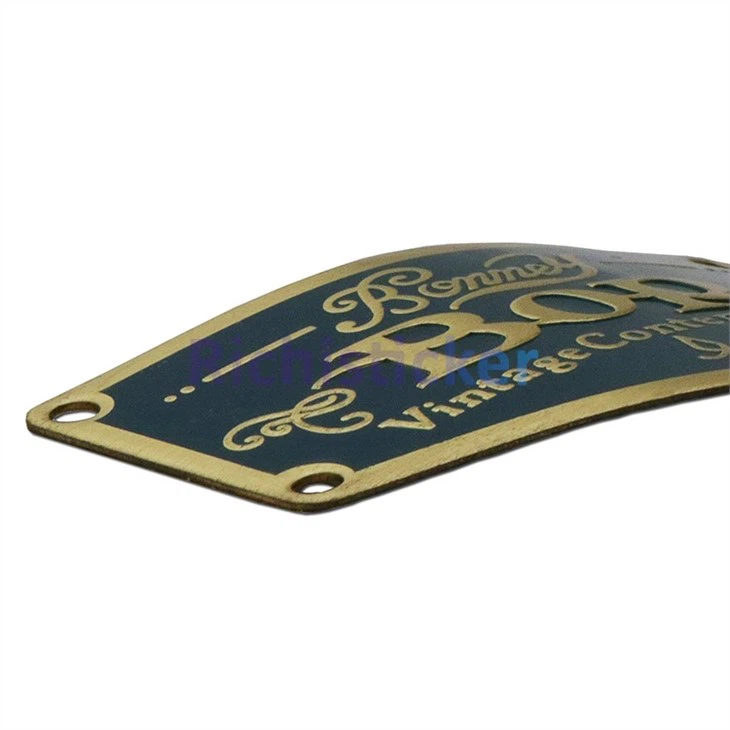
If you're interested in learning more about our Etched Brass Labels or other metal labels, please feel free to contact us to discuss your specific requirements. We look forward to working with you to provide high-quality, durable, and long-lasting identification solutions for your business.
References
- ASM Handbook, Volume 2: Properties and Selection: Nonferrous Alloys and Special-Purpose Materials. ASM International, 1990.
- Metals Handbook: Properties and Selection: Nonferrous Alloys and Pure Metals. American Society for Metals, 1979.
- The Encyclopedia of Materials Science and Engineering. Pergamon Press, 1986.


