


What is the electrical conductivity of zinc alloy labels?
As a dedicated supplier of zinc alloy labels, I often encounter inquiries from clients regarding the electrical conductivity of these products. Understanding the electrical conductivity of zinc alloy labels is crucial, especially for applications where electrical properties play a significant role. In this blog post, I will delve into the concept of electrical conductivity, explore the factors that influence the electrical conductivity of zinc alloy labels, and discuss its practical implications in various industries.
Understanding Electrical Conductivity
Electrical conductivity is a measure of a material's ability to conduct an electric current. It is the reciprocal of electrical resistivity, which is a material's inherent resistance to the flow of electric charge. Conductivity is typically measured in siemens per meter (S/m) and is determined by the number of free electrons available in a material and their mobility.
Materials with high electrical conductivity, such as metals, have a large number of free electrons that can move easily through the material when an electric field is applied. In contrast, materials with low conductivity, like insulators, have few or no free electrons, which restricts the flow of electric current.
Electrical Conductivity of Zinc Alloys
Zinc is a moderately conductive metal, with a room - temperature electrical conductivity of around 1.68×10⁷ S/m. However, when zinc is combined with other metals to form alloys, the electrical conductivity can change significantly. The specific composition of the zinc alloy, the presence of impurities, and the manufacturing process all influence its electrical properties.
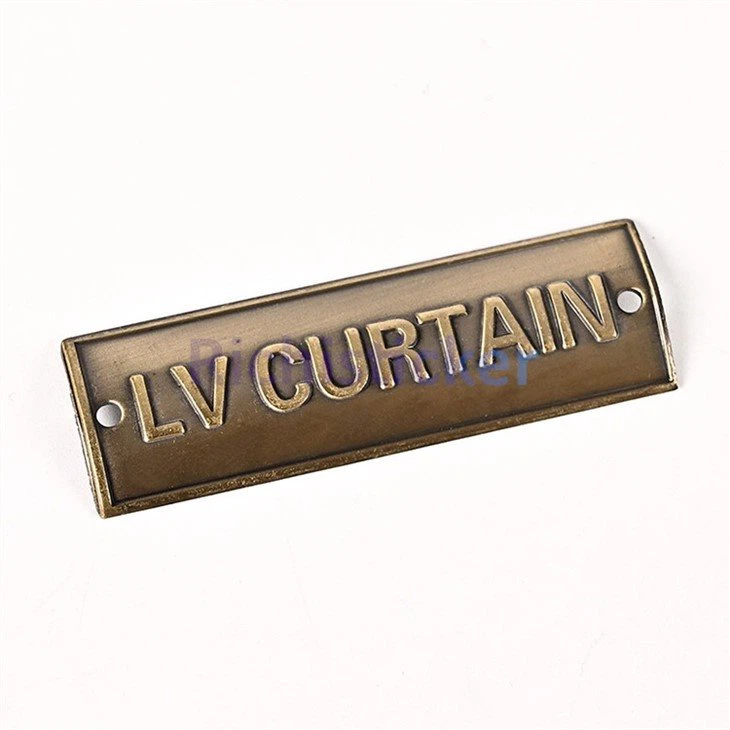
Common elements added to zinc to form alloys include aluminum, copper, magnesium, and lead. For example, when aluminum is added to zinc, it can improve the alloy's strength and corrosion resistance. However, depending on the proportion of aluminum, the electrical conductivity may be slightly reduced. This is because the added aluminum atoms can disrupt the regular lattice structure of zinc, impeding the movement of free electrons.
On the other hand, the addition of copper can increase the electrical conductivity of zinc alloys to some extent. Copper is a highly conductive metal, and when incorporated into a zinc matrix, it provides additional pathways for electron flow. The exact change in conductivity will depend on the copper content and how well it is distributed within the alloy.
Manufacturing Process and Conductivity
The manufacturing process of zinc alloy labels also affects their electrical conductivity. Die - casting, a common method for producing zinc alloy labels, involves melting the zinc alloy and injecting it into a mold under high pressure. During this process, factors such as cooling rate can influence the microstructure of the alloy.
A rapid cooling rate can result in a fine - grained microstructure, which may have a different electrical conductivity compared to a coarse - grained structure. Fine - grained microstructures generally have more grain boundaries, which can scatter electrons and reduce electrical conductivity. However, other aspects of the manufacturing process, such as heat treatment after die - casting, can be used to optimize the microstructure and improve conductivity.
Applications Based on Electrical Conductivity
The electrical conductivity of zinc alloy labels has significant implications for various industries. Here are some examples:
-
Electronics Industry: In the electronics sector, zinc alloy labels can be used in electronic devices where electrical grounding or shielding is required. For instance, they can be affixed to the chassis of electronic equipment to provide a conductive path for static electricity, preventing electrostatic discharge (ESD) that could damage sensitive electronic components. The electrical conductivity of the zinc alloy label ensures that the static charge is safely dissipated to the ground. You can explore Metal Zinc Alloy Logo Plates which are suitable for such electronics applications.
-
Automotive Industry: In automotive applications, zinc alloy labels can be used for electrical connectors or grounding points. Their conductivity ensures reliable electrical connections between different parts of the vehicle's electrical system. For example, in modern cars, various sensors and control units need stable electrical connections, and zinc alloy labels can play a role in maintaining these connections. Our Die Cast Zinc Alloy Metal Name Plates can be customized for automotive electrical applications.
-
Industrial Equipment: In industrial machinery, zinc alloy labels can act as conductive components in control panels or electrical systems. They can help in distributing electrical currents evenly and preventing electrical interference. The conductivity of zinc alloy labels makes them a practical choice for maintaining the proper functioning of complex industrial electrical systems. Check out our Brand Name Metal Zinc Alloy Plates for industrial equipment applications.
Measuring the Electrical Conductivity of Zinc Alloy Labels
Measuring the exact electrical conductivity of zinc alloy labels often requires specialized equipment. One common method is the four - point probe technique. In this method, four electrodes are placed on the surface of the zinc alloy label. A current is passed through the outer two electrodes, and the voltage is measured across the inner two electrodes. Using Ohm's law and the geometric dimensions of the sample, the electrical conductivity can be calculated.
Another method is the eddy - current measurement technique. This non - destructive testing method uses a coil to generate an alternating magnetic field. When the coil is placed near the zinc alloy label, eddy currents are induced in the material. The interaction between the magnetic field and the eddy currents is measured, and from this measurement, the electrical conductivity can be estimated.
Factors Affecting the Decision to Use Zinc Alloy Labels Based on Conductivity
When considering the use of zinc alloy labels in applications that require specific electrical conductivity, several factors need to be weighed.
-
Cost - effectiveness: Zinc alloys are generally more cost - effective than some highly conductive pure metals like copper. For applications where a moderate level of electrical conductivity is sufficient, zinc alloy labels can be a more economical choice.
-
Mechanical Properties: Zinc alloy labels offer good mechanical strength and durability. They can withstand physical stress, vibration, and environmental factors, making them suitable for long - term use in various operating conditions. This combination of mechanical properties and electrical conductivity is often a deciding factor in many applications.
-
Corrosion Resistance: The corrosion resistance of zinc alloys is another advantage. In environments where moisture or chemicals are present, zinc alloy labels can maintain their electrical conductivity over time without significant degradation due to corrosion. This is particularly important in outdoor or industrial applications where the labels are exposed to harsh conditions.
Conclusion and Call to Action
In conclusion, the electrical conductivity of zinc alloy labels is a complex property influenced by the alloy composition, manufacturing process, and other factors. Understanding this property is essential for selecting the right zinc alloy labels for applications in electronics, automotive, and industrial sectors.
If you are in need of high - quality zinc alloy labels with specific electrical conductivity requirements, we are here to assist you. Our team of experts can provide detailed information about the electrical properties of our products and help you choose the most suitable zinc alloy labels for your project. We invite you to contact us for further discussions and to initiate the procurement process. Let's work together to find the perfect solution for your needs.
References
- "Materials Science and Engineering: An Introduction" by William D. Callister Jr. and David G. Rethwisch.
- "Electrical Conductivity of Metals and Alloys" - A research paper from a leading materials science journal.


