


When it comes to the practicality and durability of dome stickers, one question that often arises is whether they are waterproof in saltwater. As a long - standing supplier of a wide range of dome stickers, including Dome Labels, Silk Screen Printed Dome Epoxy Stickers, and 3D Dome Stickers, I've delved deep into this topic to provide you with comprehensive insights.
Understanding Dome Stickers
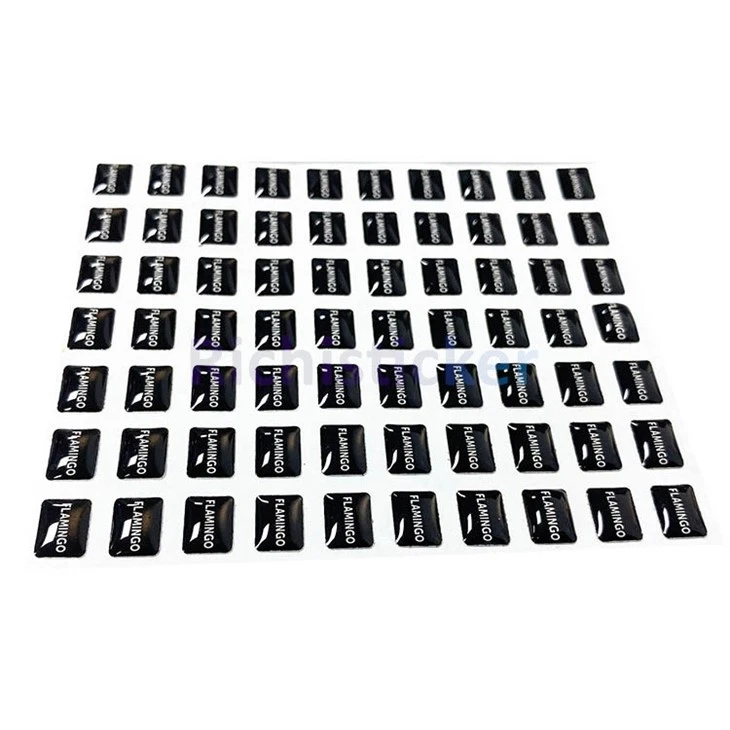
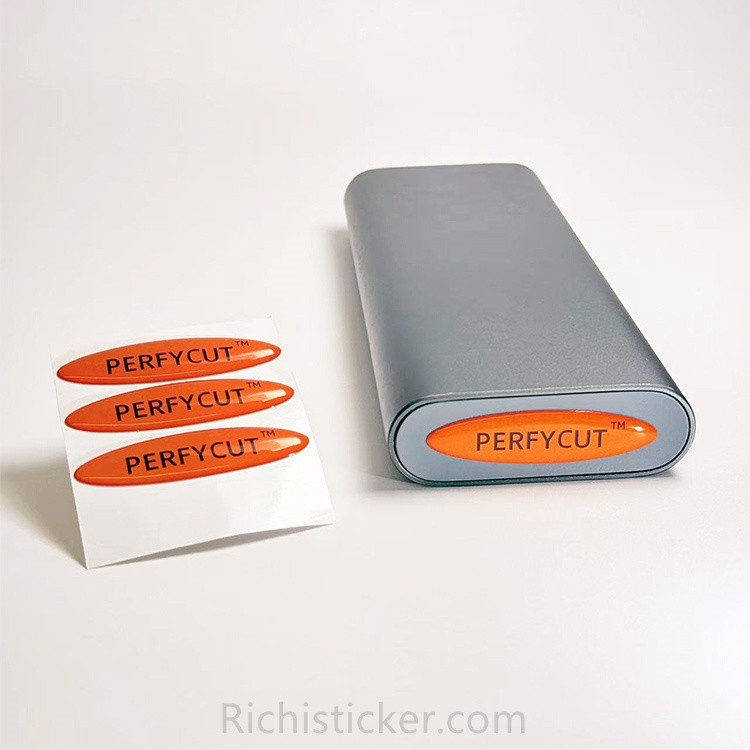
Dome stickers are a popular choice for various applications, from product labeling to promotional items. They are characterized by a raised, dome - shaped epoxy resin layer on top of a printed design. This epoxy layer not only gives the stickers a three - dimensional and eye - catching appearance but also provides protection to the underlying print.
The materials used in dome stickers play a crucial role in determining their properties. The base material can be made of paper, vinyl, or other plastics, while the epoxy resin is typically a clear, hard - setting polymer. Different manufacturing processes can also result in variations in the quality and performance of the stickers.
The Science of Saltwater and Its Effects
Saltwater is a more corrosive environment compared to freshwater. It contains a significant amount of dissolved salts, mainly sodium chloride, along with other minerals. These salts can have several adverse effects on materials:
- Corrosion: Metals and some polymers can corrode in the presence of saltwater. The chloride ions in saltwater can break down the chemical bonds in materials, leading to surface degradation and loss of structural integrity.
- Osmosis: If the dome sticker has any porous areas or if there are gaps between the sticker and the surface it is applied to, water can penetrate through osmosis. Osmosis is the movement of water from an area of low solute concentration to an area of high solute concentration. In the case of saltwater, water may try to move into the sticker or under it, causing swelling, delamination, or damage to the print.
- Chemical Reactions: Some chemicals in the sticker materials may react with the salts in the water. For example, certain adhesives may break down or lose their bonding strength when exposed to saltwater for an extended period.
Testing the Waterproofness of Dome Stickers in Saltwater
To determine whether our dome stickers are waterproof in saltwater, we conducted a series of rigorous tests. We prepared samples of different types of dome stickers, including Dome Labels, Silk Screen Printed Dome Epoxy Stickers, and 3D Dome Stickers.
The samples were submerged in a saltwater solution with a salinity similar to that of seawater (approximately 3.5% salt by weight). We monitored the stickers over a period of weeks, observing any changes in their appearance, adhesion, and print quality.
Results of the Testing
- Short - term Exposure: In the short term (up to a few days), most of our dome stickers showed excellent resistance to saltwater. The epoxy layer effectively protected the print from the corrosive effects of the salt. There was no visible damage to the print, and the stickers remained firmly attached to the test surfaces.
- Long - term Exposure: However, after several weeks of continuous submersion, some differences emerged. Stickers with a high - quality epoxy and a well - sealed base material maintained their integrity better. The epoxy layer did not show signs of cracking or peeling, and the print remained clear. On the other hand, stickers with lower - quality materials or improper sealing started to show signs of delamination and print fading. The adhesion of these stickers also decreased, and in some cases, they began to peel off the test surfaces.
Factors Affecting Waterproofness in Saltwater
- Quality of Materials: As mentioned earlier, the quality of the base material and the epoxy resin is crucial. High - grade materials are more resistant to the corrosive effects of saltwater. For example, a sticker with a thick, high - quality epoxy layer will provide better protection to the print compared to a sticker with a thin, low - quality epoxy.
- Sealing and Manufacturing Process: Proper sealing around the edges of the sticker is essential to prevent saltwater from seeping under the sticker. A well - manufactured sticker with a tight seal will have better waterproofness. Additionally, the curing process of the epoxy resin can affect its resistance to saltwater. A fully cured epoxy is more likely to withstand the harsh environment.
- Surface Preparation: The surface to which the sticker is applied also matters. A clean, smooth surface allows for better adhesion and reduces the chances of water penetration. If the surface is dirty or rough, the sticker may not adhere properly, and saltwater can easily get under the sticker.
Applications in Saltwater Environments
Despite the challenges posed by saltwater, our dome stickers can still be used in certain saltwater - related applications:
- Marine Equipment Labeling: For non - submerged parts of boats and other marine equipment, our high - quality dome stickers can be used for labeling controls, safety instructions, and branding. As long as the stickers are not continuously exposed to direct contact with saltwater, they will maintain their appearance and functionality.
- Underwater Displays (with Limitations): In some cases, dome stickers can be used for short - term underwater displays. For example, in aquariums or temporary underwater installations. However, it is important to choose the right type of sticker and ensure proper installation to minimize the risk of damage.
Conclusion and Call to Action
In conclusion, while our dome stickers, including Dome Labels, Silk Screen Printed Dome Epoxy Stickers, and 3D Dome Stickers, can withstand short - term exposure to saltwater, long - term continuous submersion may pose challenges. By choosing high - quality materials, proper manufacturing processes, and ensuring correct installation, you can maximize the waterproofness of our dome stickers in saltwater environments.
If you are interested in using our dome stickers for your projects, whether in saltwater - related applications or other uses, we invite you to contact us for more information and to discuss your specific requirements. Our team of experts is ready to assist you in selecting the right stickers and providing guidance on installation and maintenance.
References
- ASTM International. (2023). Standard test methods for evaluating the performance of adhesives in wet or damp environments.
- Callister, W. D., & Rethwisch, D. G. (2018). Materials science and engineering: An introduction. Wiley.
- Corrosion Doctors. (2023). Saltwater corrosion. Retrieved from [No link]


