


In the world of industrial and decorative applications, pure nickel stickers have emerged as a popular choice due to their unique properties and aesthetic appeal. As a supplier of high - quality Pure Nickel Stickers, I often encounter a crucial question from my customers: Are pure nickel stickers resistant to saltwater? In this blog, I will delve into the science behind nickel's interaction with saltwater, discuss the implications for our pure nickel stickers, and provide insights based on real - world experience.
The Science of Nickel and Saltwater
Nickel is a transition metal known for its excellent corrosion resistance. This resistance is primarily due to the formation of a passive oxide layer on its surface when exposed to oxygen. The passive layer acts as a protective barrier, preventing further oxidation and corrosion of the underlying metal.
When it comes to saltwater, the situation becomes more complex. Saltwater contains a variety of ions, mainly sodium (Na⁺) and chloride (Cl⁻) ions. Chloride ions are particularly aggressive towards the passive oxide layer on metals. They can penetrate the layer, disrupt its structure, and initiate corrosion processes such as pitting corrosion.
However, nickel has a relatively high resistance to chloride - induced corrosion compared to many other metals. The passive oxide layer on nickel is more stable and adherent, which provides a certain degree of protection against the corrosive effects of saltwater. The exact resistance of nickel to saltwater depends on several factors, including the concentration of salt in the water, the temperature, and the presence of other contaminants.
Our Pure Nickel Stickers and Saltwater Resistance
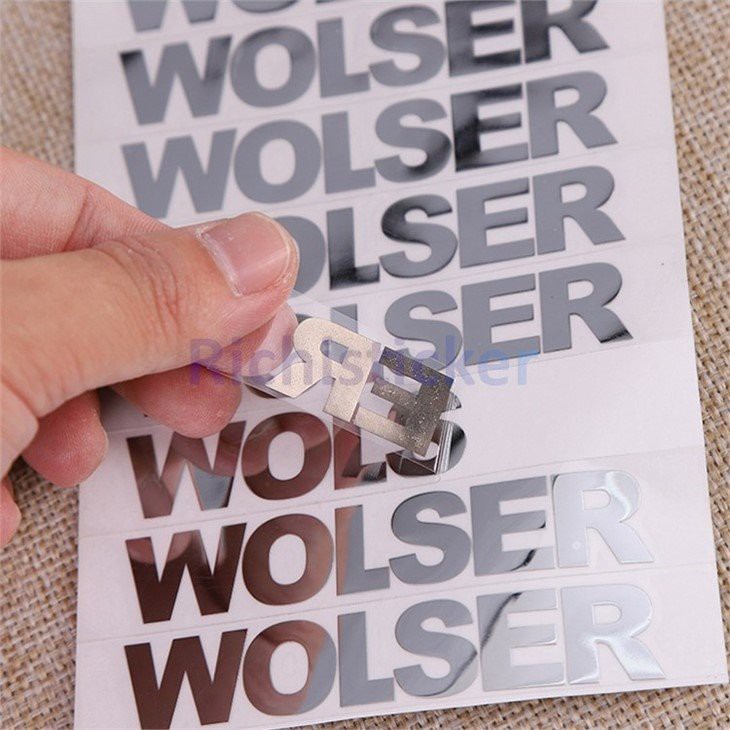
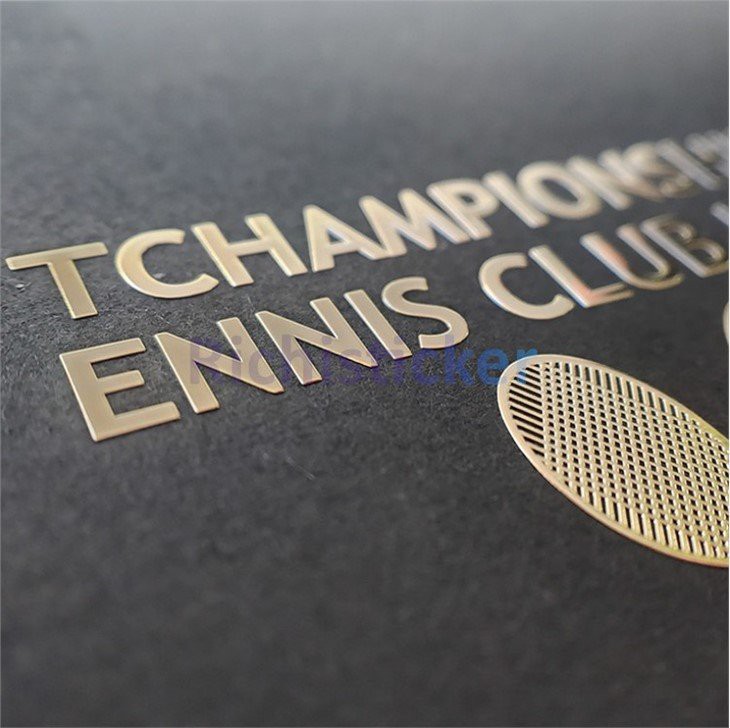
At our company, we take pride in providing Nickel Metal Stickers with Strong Glue, Chrome Metal Nickel Stickers with Adhesive, and Electroformed Nickel Stickers. These stickers are made from high - purity nickel, which gives them inherent corrosion - resistant properties.
The manufacturing process of our stickers is carefully controlled to ensure the integrity of the nickel layer. We use advanced techniques to create a smooth and uniform surface, which helps to maintain the stability of the passive oxide layer. This, in turn, enhances the stickers' resistance to saltwater.
In our testing, we have exposed our pure nickel stickers to simulated saltwater environments. The results show that under normal conditions, our stickers can withstand extended periods of exposure to saltwater without significant corrosion. For example, in a test with a 3.5% sodium chloride solution at room temperature, the stickers showed only minor signs of surface discoloration after several weeks of immersion.
However, it's important to note that the saltwater resistance of our stickers is not absolute. In harsh environments with high salt concentrations, elevated temperatures, or the presence of other aggressive chemicals, the stickers may experience some degree of corrosion over time. For instance, in a marine environment where the saltwater is constantly splashing and the temperature can be relatively high, the stickers may need to be inspected regularly for signs of damage.
Applications in Saltwater Environments
Despite the potential challenges, our pure nickel stickers have found numerous applications in saltwater - related industries.
In the marine industry, our stickers are used for decorative and identification purposes on boats, yachts, and other marine vessels. They can be applied to the exterior of the hull, on equipment, or on control panels. The saltwater resistance of our stickers ensures that they maintain their appearance and functionality even in the harsh marine environment.
In the offshore oil and gas industry, our stickers are used for labeling and marking equipment. The ability of the stickers to resist saltwater corrosion is crucial in this industry, as the equipment is often exposed to seawater and other corrosive substances.
In the aquarium industry, our stickers are used to decorate the interior of aquariums. Since the water in aquariums may contain small amounts of salt and other chemicals, the saltwater resistance of our stickers makes them a suitable choice for this application.
Factors Affecting Saltwater Resistance
As mentioned earlier, several factors can affect the saltwater resistance of our pure nickel stickers.
Salt Concentration
The higher the salt concentration in the water, the more aggressive the corrosive environment. In areas with high - salinity seawater, such as the Red Sea or the Dead Sea, the stickers may experience more rapid corrosion compared to areas with lower - salinity water.
Temperature
Higher temperatures can accelerate the corrosion process. In warm tropical waters, the stickers may corrode faster than in colder waters. Additionally, temperature fluctuations can cause stress on the passive oxide layer, which may lead to its breakdown.
Flow Rate
The flow rate of the saltwater also plays a role. High - velocity water flow can cause erosion - corrosion, where the mechanical action of the water removes the passive oxide layer and exposes the underlying metal to corrosion.
Contaminants
Other contaminants in the saltwater, such as sulfur compounds, heavy metals, or pollutants, can also affect the corrosion resistance of the stickers. These contaminants can react with the nickel or the passive oxide layer, accelerating the corrosion process.
Maintenance and Care
To ensure the long - term saltwater resistance of our pure nickel stickers, proper maintenance and care are essential.
Regular cleaning is recommended to remove any salt deposits, dirt, or other contaminants from the surface of the stickers. A mild detergent and a soft cloth can be used for cleaning. Avoid using abrasive materials or harsh chemicals, as they can damage the passive oxide layer.
If the stickers are exposed to saltwater for an extended period, it's a good idea to rinse them with fresh water periodically. This helps to remove the salt and reduce the risk of corrosion.
Inspect the stickers regularly for signs of corrosion, such as pitting, discoloration, or peeling. If any damage is detected, it may be necessary to replace the stickers to prevent further corrosion.
Conclusion
In conclusion, our pure nickel stickers offer a high degree of resistance to saltwater under normal conditions. The inherent corrosion - resistant properties of nickel, combined with our advanced manufacturing processes, make our stickers suitable for a wide range of applications in saltwater environments.
However, it's important to be aware of the factors that can affect the saltwater resistance of the stickers and to take appropriate maintenance and care measures. By doing so, you can ensure that our pure nickel stickers maintain their appearance and functionality for a long time.
If you are interested in purchasing our high - quality pure nickel stickers for your saltwater - related projects, we invite you to contact us for a detailed discussion. We are committed to providing you with the best products and services to meet your specific needs.
References
- Jones, D. A. (1992). Principles and Prevention of Corrosion. Prentice Hall.
- Uhlig, H. H., & Revie, R. W. (1985). Corrosion and Corrosion Control: An Introduction to Corrosion Science and Engineering. Wiley.
- Fontana, M. G. (1986). Corrosion Engineering. McGraw - Hill.


