


As a supplier of Void Stickers, I've often been asked about the environmental safety of these products. In this blog, I'll delve into the topic, shedding light on the materials used, manufacturing processes, and disposal methods associated with Void Stickers, and analyze whether they are safe for the environment.
Materials Used in Void Stickers
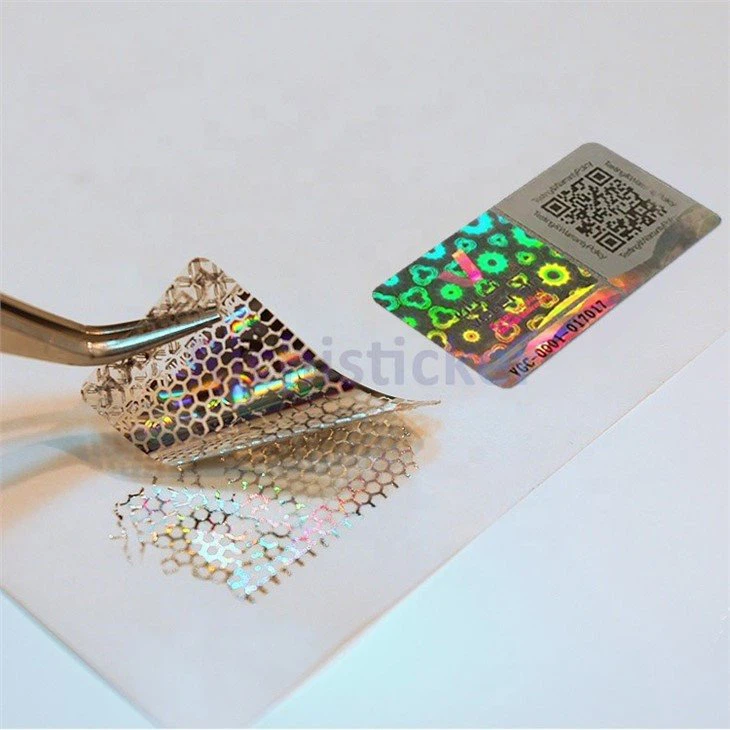
Void Stickers are typically made from a combination of materials, including paper, plastic, and adhesives. The choice of materials can significantly impact their environmental footprint.
Paper
Many Void Stickers use paper as the base material. Paper is a renewable resource, and when sourced from sustainably managed forests, it can be an environmentally friendly option. Sustainable forestry practices ensure that trees are replanted at a rate equal to or greater than their harvest, maintaining the ecological balance. Additionally, paper is biodegradable, meaning it can break down naturally over time without causing long - term pollution.
However, the production of paper can also have negative environmental impacts. The papermaking process often involves the use of large amounts of water, energy, and chemicals. Chlorine - based bleaching agents, for example, can release harmful pollutants into the environment. To mitigate these issues, some paper manufacturers are adopting more sustainable production methods, such as using recycled paper and non - chlorine bleaching agents.
Plastic
Plastic is another common material used in Void Stickers. Plastic offers several advantages, such as durability, water resistance, and flexibility. However, it also poses significant environmental challenges. Most plastics are derived from fossil fuels, which are non - renewable resources. Moreover, plastic is not biodegradable and can persist in the environment for hundreds of years.
When plastic waste enters the environment, it can cause harm to wildlife. Animals may mistake plastic for food, leading to ingestion and potential death. Plastic waste can also accumulate in landfills and oceans, contributing to pollution and ecosystem damage.
To address these concerns, some Void Sticker manufacturers are exploring the use of biodegradable or compostable plastics. These plastics are designed to break down more quickly in the environment, reducing their long - term impact. For example, polylactic acid (PLA), a biodegradable plastic made from renewable resources such as corn starch, is increasingly being used in the production of stickers.
Adhesives
The adhesives used in Void Stickers also play a role in their environmental impact. Traditional adhesives often contain volatile organic compounds (VOCs), which can be released into the air during the manufacturing process and use of the stickers. VOCs can contribute to air pollution and have been linked to various health problems, including respiratory issues and headaches.
To reduce the environmental impact of adhesives, manufacturers are developing low - VOC or VOC - free adhesives. These adhesives are formulated to minimize the release of harmful chemicals, making them a more environmentally friendly option.
Manufacturing Processes
The manufacturing processes involved in producing Void Stickers can also have environmental implications.
Energy Consumption
The production of Void Stickers requires energy for various operations, such as printing, cutting, and laminating. High energy consumption can lead to increased greenhouse gas emissions, contributing to climate change.
To reduce energy consumption, some manufacturers are investing in energy - efficient equipment and technologies. For example, using LED lighting in production facilities can significantly reduce electricity usage. Additionally, implementing energy management systems can help optimize energy consumption and identify areas for improvement.
Waste Generation
Manufacturing processes often generate waste, such as scrap paper, plastic, and ink. Proper waste management is crucial to minimize the environmental impact of this waste. Recycling is one of the most effective ways to reduce waste. By recycling scrap materials, manufacturers can conserve resources and reduce the amount of waste sent to landfills.
Some manufacturers are also implementing lean manufacturing principles to reduce waste generation. Lean manufacturing focuses on eliminating non - value - added activities and optimizing production processes to minimize waste.
Disposal Methods
The way Void Stickers are disposed of can have a significant impact on the environment.
Landfill Disposal
When Void Stickers are disposed of in landfills, they can contribute to the accumulation of waste. As mentioned earlier, non - biodegradable materials such as plastic can persist in landfills for a long time, taking up valuable space and potentially releasing harmful chemicals into the soil and groundwater.
Recycling
Recycling is a more environmentally friendly disposal option for Void Stickers. However, the recyclability of Void Stickers depends on the materials used. Paper - based stickers can usually be recycled along with other paper products. Plastic stickers, on the other hand, may require special recycling processes, depending on the type of plastic.
To encourage recycling, some manufacturers are providing clear instructions on how to recycle their Void Stickers. They may also be involved in initiatives to improve the recycling infrastructure for sticker materials.

Composting
If Void Stickers are made from biodegradable or compostable materials, they can be composted. Composting is a natural process that breaks down organic materials into nutrient - rich soil. By composting Void Stickers, we can reduce waste and create a valuable resource for gardening and agriculture.
Our Commitment to Environmental Sustainability
As a Void Sticker supplier, we are committed to minimizing the environmental impact of our products. We source materials from sustainable suppliers whenever possible, ensuring that our paper is from well - managed forests and our plastics are either recycled or biodegradable.
We also invest in energy - efficient manufacturing processes and waste management systems. Our production facilities are equipped with energy - saving equipment, and we have implemented a comprehensive recycling program to reduce waste.
In addition, we are constantly researching and developing new technologies to improve the environmental performance of our Void Stickers. For example, we are exploring the use of more eco - friendly adhesives and printing inks.
Conclusion
Void Stickers can have both positive and negative environmental impacts, depending on the materials used, manufacturing processes, and disposal methods. While there are challenges associated with the environmental safety of Void Stickers, there are also many opportunities for improvement.
By choosing sustainable materials, implementing energy - efficient manufacturing processes, and promoting proper disposal methods, we can reduce the environmental footprint of Void Stickers. As a supplier, we are dedicated to leading the way in environmental sustainability, and we believe that by working together, we can make a positive difference.
If you are interested in learning more about our environmentally friendly Void Stickers or would like to discuss a potential purchase, please feel free to reach out. We are always happy to have in - depth discussions with our customers and partners to find the best solutions for your needs.
Here are some of our popular Void Stickers products:
Seal Broken Void Sticker
Resistant Labels Seals Safety Prevent Opened Void
Non Transfer Tamper Proof Security Warranty Void Open
References
- EPA (Environmental Protection Agency). "Waste Reduction and Recycling."
- Forest Stewardship Council. "Sustainable Forest Management."
- European Bioplastics Association. "Biodegradable and Compostable Plastics."


