


Hey there! As a supplier of stickers and labels, one question I get a lot is, "Can stickers and labels be used on food products?" Well, the answer isn't a simple yes or no, and in this blog post, I'm gonna break it down for you.
First off, let's talk about why we'd even want to use stickers and labels on food products. There are plenty of good reasons. For starters, stickers and labels are a great way to provide essential information to consumers. This includes things like the product's name, ingredients, nutritional facts, expiration date, and allergen warnings. Without these labels, it'd be really hard for people to make informed decisions about what they're eating.
Another reason is branding. Stickers and labels are a powerful marketing tool. A well-designed label can make a product stand out on the shelves, attract customers' attention, and build brand recognition. Think about some of your favorite food brands – their logos and packaging are probably pretty memorable, right? That's the power of a good label.
But here's the thing: when it comes to using stickers and labels on food, there are some rules and regulations we have to follow. These rules are in place to ensure the safety of consumers.

Safety and Regulations
The materials used in food labels need to be food - safe. This means they shouldn't contain any harmful chemicals that could leach into the food. For example, the adhesive used on the label should be non - toxic. Some countries and regions have strict standards for what can and can't be used in food - contact materials. In the United States, the Food and Drug Administration (FDA) has guidelines that manufacturers must adhere to. These guidelines cover everything from the type of ink used to the base material of the label.
If a label is going to be in direct contact with the food, even for a short time, it needs to meet even higher standards. For instance, if you're using a sticker to seal a cheese package and the sticker might touch the cheese, it has to be made of materials that are approved for direct food contact. This is to prevent any potential contamination of the food.
Types of Stickers and Labels for Food
- Informational Labels:
These are the most common types of labels on food products. They're used to provide all the necessary information about the product, like I mentioned earlier. They can be printed on various materials, such as paper or plastic. For example, a simple paper label on a bag of chips might list the ingredients and nutritional facts. Our UV Protect Durable Easy Peel Logo Stickers are a great option for this. They're durable, so the information won't fade easily, and they're easy to peel, which is handy for manufacturers during the labeling process. - Branding Labels:
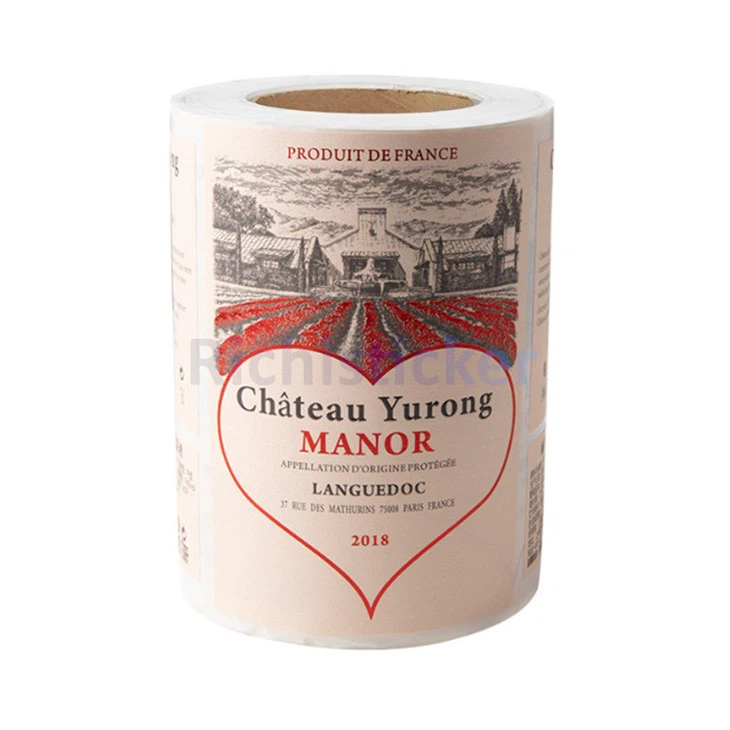
These are all about making the product look appealing and recognizable. They often feature the brand's logo, colors, and unique designs. You can find these labels on all kinds of food products, from fancy chocolates to everyday snacks. Our UV Bronzing Stickers Vinyl Wine Bottle Label is a perfect example for products like wine. The UV bronzing gives it a shiny and eye - catching look, which can really enhance the product's appearance on the shelf. - Security Labels:
Security labels are used to prevent tampering and ensure the integrity of the product. For food products, this is especially important. A tamper - evident label can let the consumer know if the product has been opened or tampered with before they buy it. Our Non Transfer Tamper Proof Security Warranty Void Open stickers are designed for this purpose. Once they're applied, they can't be removed without leaving obvious signs of tampering.
Challenges and Considerations
Using stickers and labels on food products isn't without its challenges. One of the main issues is durability. Food products are often stored in different conditions – they might be refrigerated, frozen, or exposed to high humidity. The label needs to be able to withstand these conditions without peeling, fading, or losing its adhesion.
Another challenge is compatibility. The label has to be compatible with the packaging material. For example, if you're using a plastic label on a glass bottle, you need to make sure the adhesive will stick well to the glass surface.
The Future of Stickers and Labels on Food
The future looks bright for stickers and labels in the food industry. With advancements in technology, we're seeing the development of more sustainable and eco - friendly label materials. For example, there are labels made from biodegradable plastics or paper from sustainable sources. These are great options for companies that want to reduce their environmental impact.
There's also a growing trend towards smart labels. These labels can have features like QR codes that consumers can scan to get more information about the product, such as its origin, production process, or additional nutritional details.
In conclusion, stickers and labels can definitely be used on food products, but it's important to do it right. By understanding the safety regulations, choosing the right type of label, and considering the challenges, you can use labels to enhance your food products both in terms of information and branding.
If you're in the food business and looking for high - quality stickers and labels for your products, don't hesitate to reach out. We're here to help you find the perfect solution for your needs. Whether you need informational labels, branding labels, or security labels, we've got you covered. Just send us an inquiry, and we'll be happy to discuss your requirements and provide you with a quote.
References
- Food and Drug Administration (FDA). Guidelines for food - contact materials.
- Industry reports on food packaging and labeling trends.


