


Wine is not just a beverage; it's a complex product with a rich history and a variety of production methods. As a wine bottle labels supplier, I've had the opportunity to closely examine how these labels convey information about the wine inside. In this blog, we'll explore whether wine bottle labels give information about the production method.
The Basics on Wine Bottle Labels
Most wine bottle labels start with the essentials: the name of the wine, the winery, and the vintage. These details are fundamental, but they don't directly tell us about how the wine was made. For instance, a label might proudly display "Château XYZ, 2018." While this gives us the origin of the wine and the year it was produced, it doesn't reveal the grape - growing techniques, fermentation processes, or aging methods.
However, some basic information can be gleaned from certain common terms on labels. For example, if a label says "organic wine," it indicates that the grapes were grown without the use of synthetic pesticides, fertilizers, or genetically modified organisms. This is a significant aspect of the production method. Organic farming methods aim to work in harmony with nature, which can have an impact on the flavor and quality of the wine. You can find high - quality labels suitable for organic wines on our website, such as the Self Adhesive Wine And Liquor Label. These labels can be used to clearly mark wines with specific production characteristics.
Grape - Growing Information
The grape - growing stage is a crucial part of wine production. Some labels may mention "estate - bottled." This means that the grapes were grown, harvested, fermented, and bottled all on the same estate. Estate - bottled wines often have a more consistent flavor profile because the winemaker has complete control over every step of the production process from the vineyard to the bottle.
Another term related to grape growing is "biodynamic." Biodynamic farming is an even more holistic approach than organic farming. It views the vineyard as a self - contained ecosystem and uses natural rhythms and preparations to enhance the health of the vines. A wine label that states "biodynamic" tells consumers that the wine was produced using these unique and often labor - intensive grape - growing methods. Our Embossed Wine UV Bronzing Stickers Silk Paper can be an excellent choice for labeling biodynamic wines, adding an elegant touch to highlight their special production origins.
Fermentation and Aging Details
When it comes to fermentation, some labels provide limited information. For example, a "sparkling wine" label indicates that the wine has undergone a secondary fermentation process to create the bubbles. There are different methods for producing sparkling wine, such as the traditional method (Méthode Champenoise) and the Charmat method. However, not all labels will specify which method was used. The traditional method is more time - consuming and often associated with higher - quality sparkling wines, as it involves a second fermentation in the bottle.
Aging is another important aspect of wine production. Labels might mention that the wine was aged in oak barrels. Oak aging can impart flavors such as vanilla, spice, and toast to the wine. The type of oak (e.g., French oak or American oak) and the length of aging can also affect the wine's flavor. For example, French oak is often associated with more subtle and complex flavors, while American oak can give more pronounced vanilla and coconut notes. Our Bronzing Self - Adhesive Wine Labels can be used to highlight wines with specific aging characteristics, making them stand out on the shelves.
Regional and Regulatory Influences
In some wine - producing regions, regulations govern what can and cannot be put on a wine label. For example, in the Champagne region of France, only wines produced using the traditional method from specific grape varieties (Chardonnay, Pinot Noir, and Pinot Meunier) and in that particular region can be labeled as "Champagne." This strict regulation ensures that consumers know exactly what they are getting in terms of production method and origin.
On the other hand, in some New World wine regions, there is more flexibility in labeling. Wineries may have more freedom to experiment with different production methods and communicate those on the label in their own way. This can be both a blessing and a curse for consumers. While it allows for more innovation and unique wines, it can also make it more difficult to compare wines based on production methods.
The Role of Labels in Communicating Production Methods
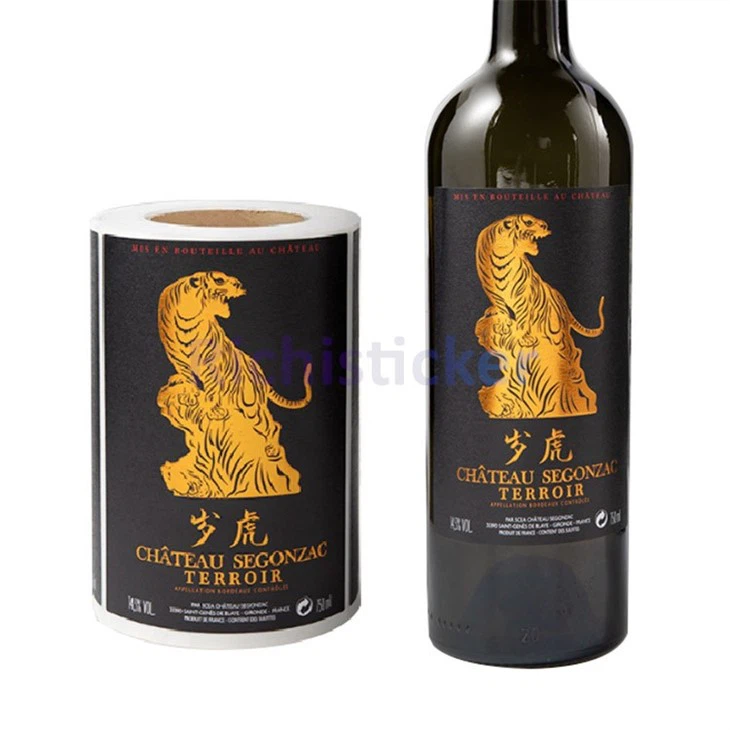
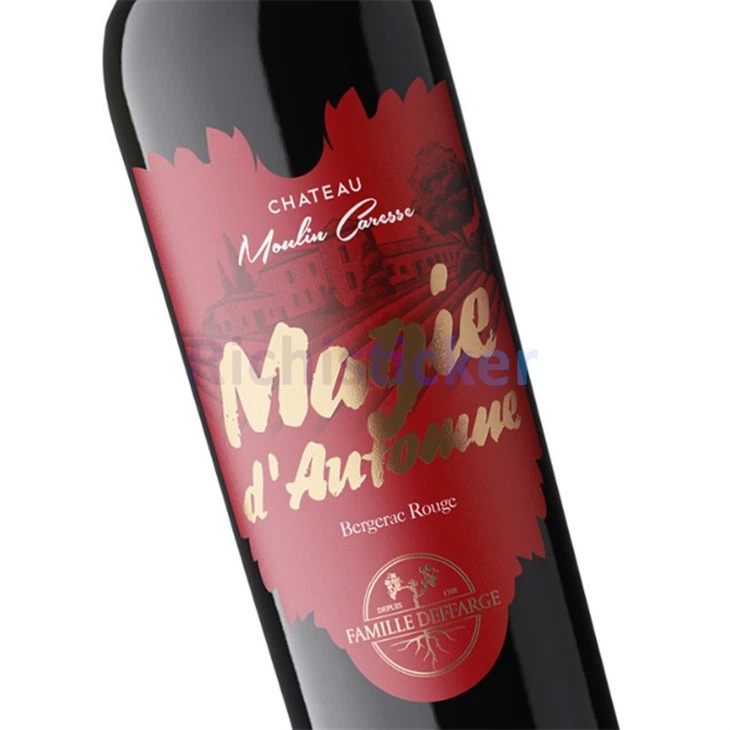
As a wine bottle labels supplier, I understand the importance of labels in communicating the story of the wine. Labels are not just decorative; they are a means of providing information to consumers. A well - designed label can highlight the unique production methods of a wine, helping consumers make more informed choices.
For example, a winery that uses a new and innovative fermentation technique can use the label to explain this to consumers. This not only educates the consumer but also sets the wine apart from others on the market. Our labels are designed to be both aesthetically pleasing and informative. We can work with wineries to create custom labels that accurately represent their production methods, whether it's a traditional family - run winery or a modern, experimental one.
Encouraging Consumer Engagement
In today's market, consumers are becoming more interested in the story behind the products they buy. Wine is no exception. By providing detailed information about production methods on the label, wineries can engage consumers on a deeper level. A consumer who is passionate about sustainable wine production may be more likely to choose a wine that clearly states its organic or biodynamic production methods on the label.
As a labels supplier, we can play a crucial role in this process. We can help wineries create labels that are not only compliant with regulations but also appealing to consumers. Our labels can be customized with different fonts, colors, and graphics to tell the unique story of each wine.
Conclusion and Call to Action
In conclusion, wine bottle labels can give some information about the production method, but the level of detail varies. Some labels provide basic information such as organic or estate - bottled status, while others may go into more depth about fermentation and aging processes. As a wine bottle labels supplier, we are committed to helping wineries communicate their production methods effectively through high - quality labels.
If you are a winery looking for labels that can accurately represent your wine's production methods, we would love to work with you. Our team of experts can assist you in creating custom labels that meet your specific needs. Contact us today to start the conversation about how we can help your wine stand out on the shelves with informative and beautiful labels.
References
- Robinson, J. (2006). The Oxford Companion to Wine. Oxford University Press.
- Jackson, R. S. (2014). Wine Science: Principles and Applications. Academic Press.
- Leahy, M. (2019). Wine Labels: A Buyer's Guide. Wine Enthusiast Books.


