


In the world of wine, there are countless aspects that enthusiasts and casual drinkers alike are curious about. One such area that often goes unnoticed but can significantly impact the wine-drinking experience is the filtration process. As a supplier of [Wine Bottle Labels], I've always been intrigued by how much information bottle labels convey about the wine inside, especially when it comes to the filtration process. Let's delve into this topic and explore whether wine bottle labels mention the wine's filtration process.
Understanding the Wine Filtration Process
Before we discuss whether bottle labels mention the filtration process, it's essential to understand what wine filtration is. Filtration is a crucial step in the winemaking process that helps clarify the wine, remove unwanted particles, and stabilize its flavor and appearance. There are different methods of filtration, each with its own advantages and impacts on the final product.
One common type of filtration is mechanical filtration, which involves passing the wine through a filter medium to remove solids such as yeast, bacteria, and particles. This method can help improve the clarity of the wine and reduce the risk of spoilage. Another method is fining, which involves adding substances such as egg whites, bentonite, or activated charcoal to the wine to attract and remove unwanted particles. Fining can also help improve the wine's flavor and aroma.
However, not all winemakers choose to filter their wines. Some believe that filtration can strip the wine of its natural flavors, aromas, and even some of its beneficial microorganisms. These winemakers prefer to produce "unfiltered" or "minimally filtered" wines, which they believe offer a more authentic and complex tasting experience.
Do Wine Bottle Labels Mention the Filtration Process?
The answer to whether wine bottle labels mention the filtration process is not straightforward. In many cases, wine bottle labels do not explicitly state whether the wine has been filtered or not. This is because there is no legal requirement for winemakers to disclose this information on the label in most countries.
However, some winemakers choose to include information about the filtration process on their labels as a way to differentiate their wines and provide transparency to consumers. These labels may indicate that the wine is "unfiltered," "minimally filtered," or "finely filtered," giving consumers an idea of how the wine has been processed.

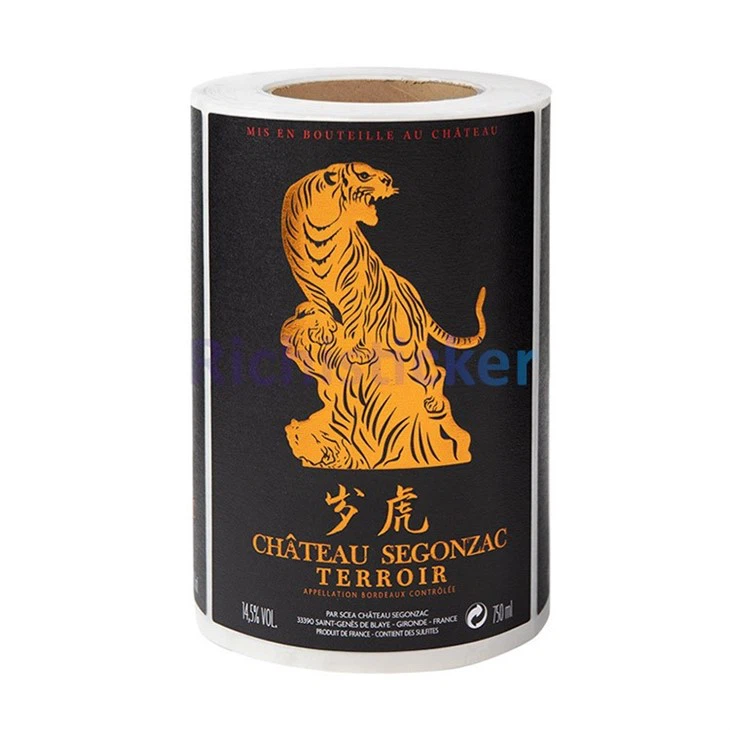
There are a few reasons why winemakers may choose to mention the filtration process on their labels. First, it can be a way to appeal to consumers who are interested in the traditional or natural winemaking methods. Unfiltered wines, for example, are often associated with a more rustic and artisanal approach to winemaking, which can be appealing to certain consumers.
Second, mentioning the filtration process can help winemakers communicate the quality and character of their wines. For example, a winemaker may choose to highlight that their wine has been finely filtered to produce a clear and stable product with a consistent flavor profile.
Finally, providing information about the filtration process can help build trust and loyalty with consumers. By being transparent about how their wines are made, winemakers can demonstrate their commitment to quality and sustainability.
The Role of Wine Bottle Labels
As a supplier of [Wine Bottle Labels], I understand the importance of wine bottle labels in communicating the story and characteristics of a wine. Labels are not just a way to identify the wine; they are also a marketing tool that can influence consumers' purchasing decisions.
In addition to basic information such as the wine's name, grape variety, region, and vintage, wine bottle labels can also include other details such as the alcohol content, residual sugar, and allergen information. Some labels may even feature tasting notes, food pairings, and information about the winery and its winemaking philosophy.
When it comes to the filtration process, wine bottle labels can play a crucial role in educating consumers and helping them make informed decisions. By including information about the filtration process on the label, winemakers can provide transparency and allow consumers to choose wines that align with their preferences and values.
Our Wine Bottle Labels
At [Wine Bottle Labels], we offer a wide range of high-quality labels that can help winemakers effectively communicate the story and characteristics of their wines. Our labels are available in various materials, finishes, and designs, allowing winemakers to create a unique and eye-catching label that stands out on the shelf.
One of our popular label options is the Bronzing Self-Adhesive Wine Labels. These labels feature a beautiful bronzing effect that adds a touch of elegance and sophistication to the wine bottle. They are also self-adhesive, making them easy to apply and ensuring a secure and long-lasting bond.
Another option is the Hot Stamping Sticker For Wine Bottle. These stickers feature a hot stamping technique that creates a raised and metallic effect, adding a luxurious and premium look to the wine label. They are available in a variety of colors and designs, allowing winemakers to customize the label to their specific needs.
For winemakers looking for a more unique and eye-catching label option, we offer the 3D Relief Metal Wine Bottle Labels. These labels feature a 3D relief effect that creates a stunning visual impact and makes the wine bottle stand out on the shelf. They are made from high-quality soft aluminum foil, which gives them a durable and long-lasting finish.
Contact Us for Your Wine Bottle Label Needs
If you're a winemaker looking for high-quality wine bottle labels that can effectively communicate the story and characteristics of your wines, we'd love to hear from you. Our team of experts is dedicated to providing exceptional customer service and helping you create the perfect label for your wines.
Whether you're looking for a traditional label design or a more modern and innovative option, we have the expertise and resources to meet your needs. We offer a range of customization options, including printing, embossing, debossing, and hot stamping, allowing you to create a label that is truly unique and reflects the personality of your brand.
To learn more about our wine bottle label products and services, please visit our website or contact us today. We look forward to working with you to create a label that will help your wines stand out in the market.
References
- Jackson, H. (2018). Wine Science: Principles and Applications. Academic Press.
- Robinson, J. (2006). The Oxford Companion to Wine. Oxford University Press.
- Vaudour, E. (2012). Wine Filtration: A Review of the Current State of the Art. Journal of Wine Research, 23(2), 111-122.


