


Do zinc alloy labels have a good adhesion to surfaces?
As a supplier of Zinc Alloy Labels, I've been frequently asked about the adhesion quality of our products. Adhesion is a critical factor when it comes to labels, as it determines how well the label stays in place on the intended surface over time. In this blog post, I'll delve into the factors that affect the adhesion of zinc alloy labels and explain why our labels offer excellent adhesion performance.
Factors Affecting Adhesion
Surface Preparation
The first and foremost factor influencing adhesion is the surface to which the zinc alloy label is applied. A clean, dry, and smooth surface is essential for optimal adhesion. Any dirt, grease, or moisture on the surface can create a barrier between the label and the substrate, reducing the adhesive's ability to bond effectively. For example, if a label is applied to a metal surface that has not been properly degreased, the adhesive may not be able to form a strong bond, leading to premature peeling.
Adhesive Type
The type of adhesive used on the zinc alloy label plays a crucial role in determining its adhesion strength. There are various types of adhesives available, each with its own characteristics and suitability for different applications. Pressure-sensitive adhesives (PSAs) are commonly used for zinc alloy labels due to their ease of application and ability to bond to a wide range of surfaces. These adhesives work by applying pressure to the label, which activates the adhesive and allows it to stick to the surface. Other types of adhesives, such as epoxy or acrylic adhesives, may be used for more demanding applications where a stronger bond is required.
Environmental Conditions
The environmental conditions in which the zinc alloy label is used can also affect its adhesion. Extreme temperatures, humidity, and exposure to chemicals or UV radiation can all have a negative impact on the adhesive's performance. For instance, high temperatures can cause the adhesive to soften and lose its adhesion strength, while low temperatures can make the adhesive brittle and prone to cracking. Similarly, exposure to moisture or chemicals can break down the adhesive and cause the label to peel off.
Our Zinc Alloy Labels: Excellent Adhesion Performance
At our company, we take great pride in offering zinc alloy labels with superior adhesion performance. Here's how we ensure that our labels adhere well to surfaces:
High-Quality Adhesives
We use only the highest quality adhesives in our zinc alloy labels. Our pressure-sensitive adhesives are specifically formulated to provide strong and long-lasting adhesion on a variety of surfaces, including metal, plastic, glass, and wood. These adhesives are tested rigorously to ensure that they meet our strict quality standards and can withstand the rigors of everyday use.
Surface Treatment
Before applying the label, we carefully prepare the surface to ensure optimal adhesion. Our team of experts uses advanced cleaning and degreasing techniques to remove any dirt, grease, or contaminants from the surface. We also apply a primer or surface treatment to the substrate to enhance the adhesive's bonding ability. This ensures that the label adheres firmly to the surface and remains in place for an extended period of time.
Customized Solutions
We understand that different applications require different levels of adhesion. That's why we offer customized solutions to meet the specific needs of our customers. Whether you need a label that can withstand extreme temperatures, harsh chemicals, or high levels of abrasion, we can develop a solution that meets your requirements. Our team of engineers and technicians will work closely with you to understand your needs and recommend the best adhesive and label design for your application.
Applications of Our Zinc Alloy Labels
Our zinc alloy labels are used in a wide range of applications, thanks to their excellent adhesion and durability. Here are some of the common applications:
Industrial Equipment
Zinc alloy labels are widely used on industrial equipment to provide identification, warning, and instructional information. Our labels can withstand the harsh conditions of industrial environments, including high temperatures, vibrations, and exposure to chemicals. They are also resistant to abrasion and fading, ensuring that the information remains legible for a long time.
Automotive Industry
In the automotive industry, zinc alloy labels are used for various purposes, such as branding, identification, and safety labeling. Our labels can adhere well to different automotive surfaces, including metal, plastic, and painted surfaces. They are also resistant to UV radiation and weathering, ensuring that they maintain their appearance and adhesion strength over time.
Consumer Goods
Zinc alloy labels are also popular in the consumer goods industry, where they are used to enhance the appearance and functionality of products. Our labels can be customized with different colors, shapes, and designs to meet the specific requirements of our customers. They are also easy to apply and remove, making them a convenient solution for product labeling.
Conclusion
In conclusion, zinc alloy labels can have excellent adhesion to surfaces when the right factors are considered. At our company, we are committed to providing high-quality zinc alloy labels with superior adhesion performance. Our labels are designed to withstand the harsh conditions of various applications and provide long-lasting identification and branding solutions. If you're looking for a reliable supplier of zinc alloy labels, look no further. Contact us today to discuss your requirements and learn more about our products.

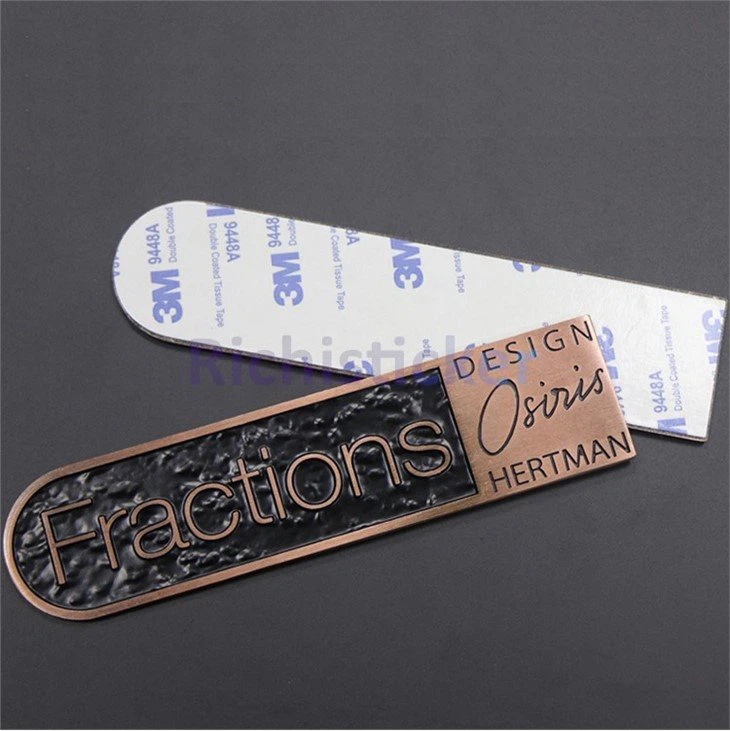
For more information about our zinc alloy labels, please visit the following links:
Metal Zinc Alloy Logo Plates
Zinc Alloy Labels with Adhesive
Zinc Alloy Nameplate Metal Furniture Badge
If you're interested in purchasing our zinc alloy labels or have any questions, please don't hesitate to contact us. We look forward to working with you!
References
- ASTM International. (2021). Standard Test Methods for Measuring Adhesion by Tape Test. ASTM D3359-20.
- Peel, L. (2018). Adhesion and Adhesives Technology: An Introduction. Wiley.
- Weldon, M. S. (2019). Handbook of Pressure-Sensitive Adhesive Technology. Sita Technology Ltd.


