


Hologram stickers are not just visually captivating; they also serve various practical purposes, from product branding to security applications. As a leading hologram stickers supplier, we often get asked about how these stickers adhere to different textures. In this blog post, we'll delve into the science behind the adhesion of hologram stickers and explore the various factors that influence their sticking power on different surfaces.
Understanding the Adhesive Technology
The adhesion of hologram stickers primarily relies on the type of adhesive used. Most hologram stickers are equipped with pressure-sensitive adhesives (PSAs). PSAs are designed to stick to a surface when pressure is applied, without the need for heat, water, or solvents. These adhesives are made up of polymers that have a unique molecular structure, allowing them to form weak intermolecular bonds with the surface they are applied to.
The polymers in PSAs are long chains of molecules that can flow and conform to the microscopic irregularities of a surface. When pressure is applied, these chains spread out and make contact with the surface, creating a large number of contact points. The intermolecular forces between the adhesive and the surface, such as van der Waals forces, hydrogen bonds, and electrostatic interactions, hold the sticker in place.
Factors Affecting Adhesion on Different Textures
Surface Energy
Surface energy is a crucial factor that determines how well an adhesive will bond to a surface. Surfaces with high surface energy, such as glass and metal, have a greater affinity for adhesives. This is because the molecules on high-energy surfaces are more reactive and can form stronger intermolecular bonds with the adhesive. As a result, hologram stickers adhere well to glass and metal surfaces, providing a strong and long-lasting bond.
On the other hand, low-energy surfaces, like plastics and silicone, have a lower affinity for adhesives. The molecules on these surfaces are less reactive, making it more challenging for the adhesive to form strong bonds. To improve adhesion on low-energy surfaces, special primers or surface treatments may be required. For example, some plastics can be treated with a corona discharge to increase their surface energy, allowing the adhesive to bond more effectively.
Surface Roughness
The roughness of a surface also plays a significant role in adhesion. Rough surfaces provide more surface area for the adhesive to bond to, which can improve the overall adhesion strength. However, if the surface is too rough, the adhesive may not be able to fully penetrate the pores and valleys, resulting in a weaker bond.
Smooth surfaces, such as polished metal or glass, offer less surface area for adhesion. However, the evenness of these surfaces allows the adhesive to form a more uniform bond, which can be strong enough for many applications. In some cases, a thin layer of adhesive may be sufficient to achieve good adhesion on smooth surfaces.
Surface Cleanliness
The cleanliness of the surface is essential for proper adhesion. Dirt, dust, oil, and other contaminants can interfere with the bonding process by preventing the adhesive from making direct contact with the surface. Before applying a hologram sticker, it is important to clean the surface thoroughly using a suitable cleaner and a lint-free cloth.
For example, if you are applying a sticker to a metal surface that has been exposed to oil, cleaning the surface with a degreaser will remove the oil and allow the adhesive to bond more effectively. Similarly, if the surface is dusty, wiping it down with a damp cloth will remove the dust particles, ensuring a clean bonding surface.

Adhesion on Common Textures
Paper and Cardboard
Paper and cardboard are porous materials with a relatively high surface energy. Hologram stickers adhere well to these surfaces because the adhesive can penetrate the pores and form a mechanical bond with the fibers. Additionally, the high surface energy of paper and cardboard allows for strong intermolecular bonding with the adhesive.
However, it is important to note that the type of paper or cardboard can affect adhesion. Rough or textured papers may provide better adhesion than smooth papers because they offer more surface area for the adhesive to bond to. Additionally, some papers may contain chemicals or coatings that can interfere with adhesion, so it is important to test the sticker on a small area before applying it to the entire surface.
Plastic
As mentioned earlier, plastics are low-energy surfaces that can be challenging for adhesives to bond to. However, there are several types of plastics, and the adhesion of hologram stickers can vary depending on the specific type of plastic.
For example, polypropylene and polyethylene are two common plastics that have low surface energy and are difficult to bond to. To improve adhesion on these plastics, a primer or surface treatment may be required. On the other hand, polycarbonate and acrylic plastics have a higher surface energy and are more receptive to adhesives. Hologram stickers can adhere well to these plastics without the need for special treatment.
Glass and Metal
Glass and metal are high-energy surfaces that provide excellent adhesion for hologram stickers. The smooth and uniform surface of glass and metal allows the adhesive to form a strong and long-lasting bond. Additionally, the high surface energy of these materials promotes strong intermolecular bonding with the adhesive.
However, it is important to ensure that the surface is clean and free of contaminants before applying the sticker. Any dirt, oil, or fingerprints on the surface can weaken the bond and cause the sticker to peel off.
Our Range of Hologram Stickers
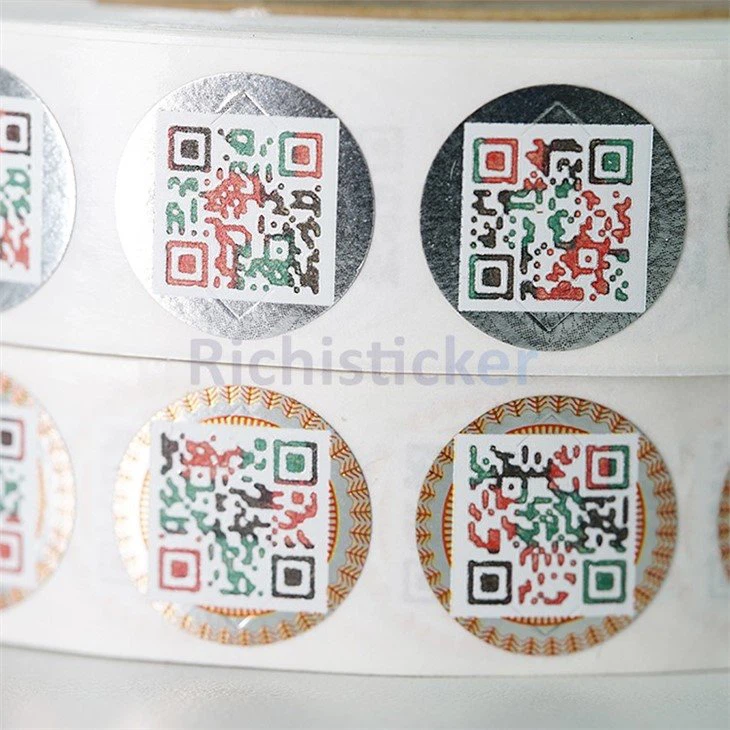
As a hologram stickers supplier, we offer a wide range of products to meet the diverse needs of our customers. Our Silver High Security Hologram Stickers are designed to provide maximum security and protection against counterfeiting. These stickers feature high-quality holographic images and advanced security features, making them ideal for use on valuable products and documents.
Our Tamper Evident Stickers Hologram Labels are another popular product. These stickers are designed to show evidence of tampering, making them ideal for use on products that require extra security, such as pharmaceuticals and electronics.
We also offer Pringting Unique Hologram Vinyl Labels, which are perfect for custom branding and advertising. These labels can be printed with your company logo, product information, or any other design, allowing you to create a unique and eye-catching look for your products.
Contact Us for Your Hologram Sticker Needs
If you are in the market for high-quality hologram stickers, look no further. As a trusted hologram stickers supplier, we have the expertise and resources to provide you with the best products and services. Whether you need a small quantity of stickers for a promotional event or a large order for your business, we can help.
Contact us today to discuss your hologram sticker requirements and get a free quote. Our team of experts will be happy to answer any questions you may have and help you choose the right stickers for your needs.
References
- Handbook of Pressure - Sensitive Adhesive Technology, Donatas Satas
- Surface and Interfacial Forces, Jacob N. Israelachvili


