


Snowy conditions can present a unique set of challenges for various automotive components, and license plates are no exception. As a supplier of plastic license plates, I've had the opportunity to closely observe how these plates perform in wintry weather. In this blog, I'll delve into the characteristics of plastic license plates in snowy conditions, highlighting their advantages, potential drawbacks, and the factors that influence their performance.
Advantages of Plastic License Plates in Snowy Conditions
One of the primary advantages of plastic license plates in snowy conditions is their lightweight nature. Unlike metal plates, plastic plates are less likely to accumulate excessive snow and ice. The smooth surface of plastic also makes it more difficult for snow and ice to adhere firmly. This means that even in heavy snowfall, plastic license plates are more likely to remain visible, ensuring that the plate number can be easily read by law enforcement and other road users.
Plastic license plates are also more resistant to corrosion compared to their metal counterparts. In snowy regions, road salt is commonly used to melt ice on the roads. This salt can cause significant corrosion to metal license plates over time. Plastic, on the other hand, is not affected by salt in the same way. This makes plastic license plates a more durable option for long - term use in areas with harsh winter conditions.
Another benefit is the flexibility of plastic. In snowy conditions, vehicles may experience sudden impacts from snow - filled plows or other debris. Plastic license plates can withstand these minor impacts better than rigid metal plates. They are less likely to crack or break upon impact, which helps to maintain the integrity of the license plate and ensures that it remains attached to the vehicle.
Potential Drawbacks
Despite their many advantages, plastic license plates do have some potential drawbacks in snowy conditions. One issue is that in extremely cold temperatures, plastic can become brittle. If a plastic license plate is exposed to very low temperatures for an extended period, it may become more prone to cracking if it is hit by a hard object, such as a large chunk of ice.
Another concern is that in some cases, plastic license plates may not be as reflective as metal plates. In snowy conditions, visibility is crucial, especially at night. If a plastic license plate lacks sufficient reflectivity, it may be more difficult for it to be seen by other drivers or law enforcement officers, potentially leading to issues with identification.
Factors Influencing Performance
Several factors can influence how well plastic license plates perform in snowy conditions. The quality of the plastic used is a significant factor. High - quality plastics are more likely to be resistant to cold temperatures and impacts. They may also have better anti - sticking properties, which helps to prevent snow and ice from building up on the plate.
The design of the license plate also plays a role. License plates with a flat, smooth surface are less likely to accumulate snow compared to those with a more textured or raised design. Additionally, the way the license plate is attached to the vehicle can affect its performance. Using Front and Back Car Plate Bracket Holders can ensure that the plate is securely fastened and properly positioned, reducing the risk of it being dislodged by snow or ice.
The geographical location and the severity of the winter also matter. In areas with milder winters, plastic license plates may perform perfectly well without any major issues. However, in regions with extremely cold temperatures and heavy snowfall, additional precautions may need to be taken to ensure optimal performance.
Maintenance Tips for Plastic License Plates in Snowy Conditions
To ensure that plastic license plates continue to perform well in snowy conditions, regular maintenance is essential. After a snowstorm, it's a good idea to gently remove any snow or ice that has accumulated on the plate. Use a soft brush or cloth to avoid scratching the plastic.
If you notice any signs of damage, such as cracks or chips, it's important to address them promptly. Small cracks can be repaired using a suitable plastic adhesive, while more severe damage may require replacing the license plate.
Consider using Personalised License Plate Frames. These frames not only add a personal touch but can also provide an extra layer of protection to the license plate. They can help to prevent snow and ice from getting behind the plate and causing it to become loose.
The Role of Plastic Euro Size License Plate Holders
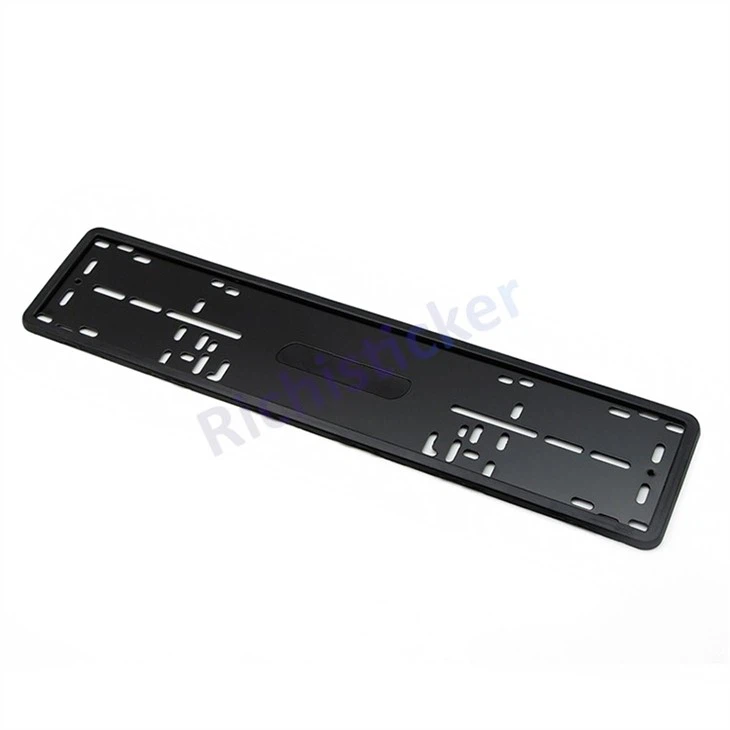
Plastic Euro Size License Plate Holders are specifically designed to hold license plates securely. In snowy conditions, these holders can prevent the license plate from shifting or vibrating, which could otherwise lead to damage or reduced visibility. They are made from durable plastic materials that are resistant to the cold and can withstand the rigors of winter driving.

Conclusion
In conclusion, plastic license plates offer several advantages in snowy conditions, including lightweight, corrosion resistance, and flexibility. However, they also have some potential drawbacks, such as brittleness in extreme cold and reduced reflectivity. By understanding the factors that influence their performance and following proper maintenance tips, plastic license plates can provide reliable service even in the harshest winter environments.
If you're in the market for high - quality plastic license plates or related accessories, I encourage you to reach out to discuss your specific needs. Whether you're a car enthusiast looking for a personalized touch or a fleet manager in need of durable license plates for your vehicles, we can provide solutions that meet your requirements. Contact us to start a procurement discussion and find the best plastic license plate options for you.
References
- "Automotive Component Materials and Their Performance in Extreme Conditions" - Journal of Automotive Engineering
- "Winter Driving and Vehicle Safety" - National Highway Traffic Safety Administration
- "Plastic Materials and Their Applications in the Automotive Industry" - International Journal of Plastic Technology


