


When it comes to the world of wine, the labels on wine bottles serve as a crucial medium of communication between producers and consumers. They not only provide essential information about the wine but also play a significant role in marketing and branding. While red and white wines share many similarities in terms of basic label requirements, there are also distinct differences that reflect their unique characteristics and target markets. As a Wine Bottle Labels supplier, I have had the privilege of working closely with various wineries to create labels that effectively showcase their products. In this blog post, I will explore how wine bottle labels differ between red and white wines.
1. Color and Design Aesthetics
One of the most obvious differences between red and white wine labels lies in their color and design aesthetics. Red wines are often associated with warmth, passion, and richness. As a result, red wine labels tend to feature bold, deep colors such as red, burgundy, and brown. These colors not only evoke the color of the wine itself but also convey a sense of sophistication and elegance. For example, a label for a full - bodied Cabernet Sauvignon might use a rich red background with gold accents to suggest luxury and quality.
On the other hand, white wines are typically linked to freshness, lightness, and purity. White wine labels usually incorporate lighter colors like white, light blue, green, or yellow. These colors give the impression of a crisp and refreshing beverage. A label for a Sauvignon Blanc, for instance, might have a light green background with a simple, clean design to emphasize the wine's fresh and zesty character.
In terms of design elements, red wine labels may feature more elaborate and traditional designs. They might include detailed illustrations of vineyards, grape clusters, or historical winemaking scenes. This is because red wines often have a long - standing tradition and are sometimes perceived as more "serious" wines. In contrast, white wine labels can be more modern and minimalist. They may use simple graphics or abstract designs to convey a contemporary and approachable image.
2. Grape Variety and Flavor Descriptions
The way grape varieties and flavor profiles are presented on labels can also differ between red and white wines. Red wines are known for their complex flavor profiles, often including notes of dark fruits (such as blackberries, cherries, and plums), spices (like cinnamon and cloves), and sometimes earthy or leathery undertones. Labels for red wines usually highlight these bold and intense flavors. For example, a label for a Syrah might mention "black pepper and dark chocolate notes" to entice consumers who enjoy rich and spicy wines.
White wines, however, are more likely to showcase flavors of citrus fruits (such as lemon, lime, and grapefruit), tropical fruits (like pineapple and mango), and floral aromas. A label for a Riesling might emphasize "lemon blossom and apricot flavors" to attract those who prefer a lighter, fruit - forward wine.
When it comes to grape variety, red wine labels may be more focused on single - varietal wines. Many consumers are interested in the specific characteristics of well - known red grape varieties like Merlot, Pinot Noir, or Malbec. So, the grape variety is often prominently displayed on the label. In the case of white wines, blends are also quite popular. Labels for white wine blends may mention a combination of grape varieties, such as "a blend of Chardonnay and Viognier," to highlight the unique flavor profile created by the combination.
3. Aging and Maturity Indicators
Aging is an important factor in the quality and flavor development of both red and white wines, but it is often presented differently on their labels. Red wines, especially full - bodied ones like Cabernet Sauvignon and Bordeaux blends, are known for their ability to age well. Labels for aged red wines may include information about the aging process, such as the number of years the wine has been aged in oak barrels or in the bottle. For example, a label might state "Aged for 3 years in French oak barrels and 2 years in the bottle," which can be a selling point for wine enthusiasts who appreciate the complexity that comes with aging.
White wines, while some can also benefit from aging, are generally consumed younger. However, there are exceptions, such as certain high - quality Chardonnays and Chenin Blancs. When a white wine has been aged, the label may briefly mention it, but it is not as central to the marketing as it is for red wines. Instead, white wine labels may focus more on the wine's freshness and immediate drinkability.
4. Food Pairing Suggestions
Food pairing is an important consideration for many wine consumers, and the way it is presented on labels differs between red and white wines. Red wines are often paired with hearty, flavorful foods. Labels for red wines may suggest pairings with red meats (such as steak, lamb, and beef), game, and rich, savory dishes. For example, a label for a Zinfandel might recommend "Pair with grilled ribs or a hearty beef stew" to help consumers choose the right wine for their meals.
White wines, on the other hand, are commonly paired with lighter foods. Labels for white wines may suggest pairings with seafood (such as shrimp, salmon, and oysters), poultry, and fresh salads. A label for a Pinot Grigio might say "Perfect with grilled shrimp or a garden salad" to guide consumers in making food - wine combinations.
5. Target Market and Branding
The target market for red and white wines can also influence the design and content of their labels. Red wines are often associated with more formal occasions and fine dining. Labels for red wines may be designed to appeal to a more sophisticated and discerning audience. They may use elegant fonts, high - quality printing techniques, and luxurious materials to create a premium image. For instance, Bronzing Self - Adhesive Wine Labels can add a touch of luxury to red wine bottles, making them more attractive to consumers who are willing to pay a higher price for a quality wine.
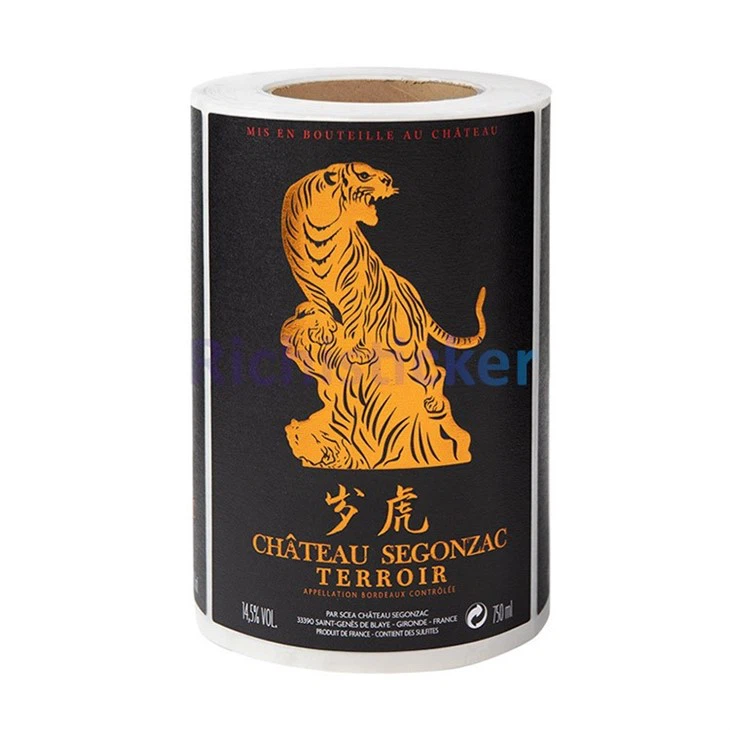

White wines, in contrast, are more popular for casual gatherings, outdoor events, and as an everyday drink. Their labels may be designed to be more approachable and friendly. They can use fun and modern fonts, and less expensive but still high - quality materials. Embossed Wine UV Bronzing Stickers Silk Paper can add a unique and eye - catching element to white wine labels without being overly formal.
In addition, branding strategies for red and white wines may vary. Red wine brands may focus on heritage, tradition, and the winery's long - standing reputation. White wine brands, on the other hand, may emphasize innovation, freshness, and a more contemporary approach to winemaking.
6. Regulatory Requirements
Regulatory requirements for wine labels can also have an impact on the differences between red and white wine labels. In some regions, there are specific rules regarding the labeling of certain grape varieties or wine styles. For example, in France, wines labeled as "Bordeaux" must meet strict criteria regarding grape variety, production methods, and geographical origin. These regulations apply to both red and white Bordeaux wines, but the specific requirements for red and white wines within the region may differ.
Red wines may also be subject to more regulations regarding aging and oak treatment, as these factors can significantly affect the wine's quality and classification. White wines, especially those from cooler climates, may have regulations related to acidity levels and residual sugar content. These regulatory differences can lead to variations in the information presented on red and white wine labels.
Contact for Procurement
If you are a winery or a wine distributor looking for high - quality wine bottle labels that can effectively showcase your red or white wines, we are here to help. Our team of experts has extensive experience in creating labels that meet the unique needs of different wines. We offer a wide range of products, including Bronzing Self - Adhesive Wine Labels, Embossed Wine UV Bronzing Stickers Silk Paper, and Self Adhesive Wine And Liquor Label. Whether you need a traditional label for a classic red wine or a modern, eye - catching label for a trendy white wine, we can provide customized solutions. Contact us to start a discussion about your label requirements and let us help you make your wine stand out on the shelves.
References
- Robinson, J. (2006). The Oxford Companion to Wine. Oxford University Press.
- Jackson, R. S. (2014). Wine Science: Principles and Applications. Academic Press.
- Johnson, H. (2005). The World Atlas of Wine. Mitchell Beazley.


