


Dessert wines, with their rich flavors and sweet profiles, hold a special place in the world of wine. They are often the perfect ending to a meal or a delightful treat on their own. As a wine bottle labels supplier, I've had the privilege of working closely with winemakers to create labels that not only comply with regulations but also capture the essence of these unique wines. In this blog, we'll explore how wine bottle labels vary for dessert wines, from legal requirements to design elements that make them stand out.
Legal Requirements for Dessert Wine Labels
One of the primary factors that influence the design of dessert wine labels is the legal requirements set by different countries and regions. These regulations are in place to ensure that consumers are informed about the wine's origin, alcohol content, and other important information.
In the United States, for example, the Alcohol and Tobacco Tax and Trade Bureau (TTB) has specific rules regarding the labeling of dessert wines. Dessert wines are typically defined as wines with an alcohol content of 14% or higher and a residual sugar content of at least 5%. The label must include the wine's name, brand, alcohol content, net contents, and the name and address of the bottler or importer. Additionally, if the wine is made from a specific grape variety, the variety must be listed on the label if it makes up at least 75% of the wine.
In the European Union, the regulations are similar but may vary slightly from country to country. The label must include the wine's name, alcohol content, volume, and the name and address of the producer or bottler. There are also rules regarding the use of geographical indications, such as appellations of origin, which can add credibility and value to the wine.
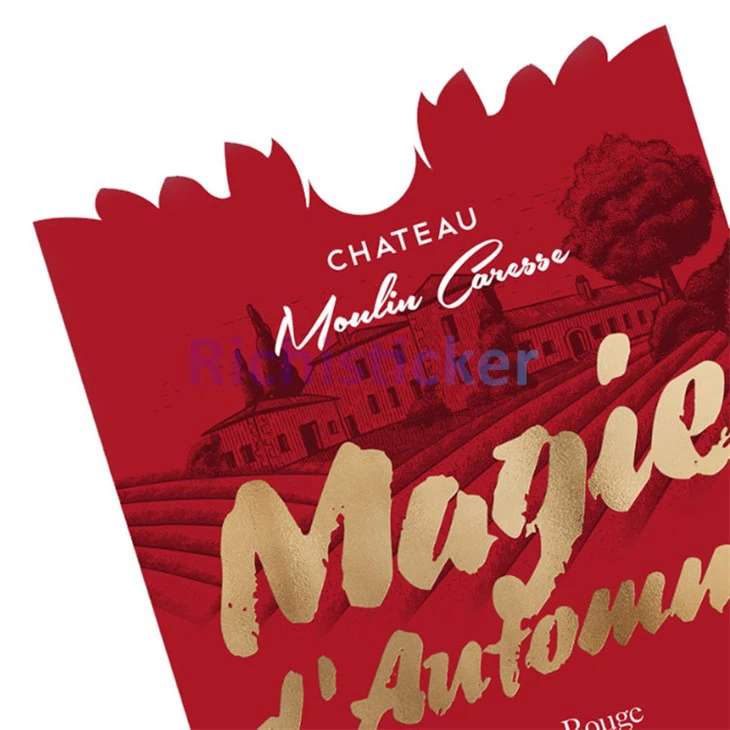

Design Elements for Dessert Wine Labels
Beyond the legal requirements, the design of a dessert wine label plays a crucial role in attracting consumers and conveying the wine's quality and character. Here are some key design elements to consider:
Color Scheme
The color scheme of a dessert wine label can have a significant impact on its visual appeal. Dessert wines are often associated with warmth, sweetness, and indulgence, so colors like gold, brown, red, and purple are commonly used to convey these qualities. Gold, in particular, is a popular choice as it symbolizes luxury and elegance, which are often associated with high-quality dessert wines.
Typography
The typography used on a dessert wine label should be easy to read and complement the overall design. Elegant and sophisticated fonts are often used to convey the wine's quality and refinement. Serif fonts, such as Times New Roman or Garamond, are a classic choice for wine labels as they add a sense of tradition and authenticity. However, modern sans-serif fonts can also be used to create a more contemporary look.
Imagery
Imagery is another important design element that can help to tell the story of the wine and create an emotional connection with the consumer. For dessert wines, images of grapes, vines, or fruit can be used to convey the wine's natural ingredients and freshness. Other popular imagery includes scenes of vineyards, winemaking processes, or even historical or cultural references related to the wine's origin.
Texture and Finish
The texture and finish of a dessert wine label can add an extra layer of sophistication and luxury. Embossed labels, for example, create a raised effect that adds depth and dimension to the design. Metallic finishes, such as gold or silver foiling, can also enhance the label's visual appeal and make it stand out on the shelf. You can explore our Embossed Wine UV Bronzing Stickers Silk Paper for a luxurious and eye-catching option.
Labeling for Different Types of Dessert Wines
There are several different types of dessert wines, each with its own unique characteristics and flavor profiles. Here's how the labels for these wines may vary:
Port Wine
Port wine is a fortified wine from the Douro Valley in Portugal. It is typically sweet and has a high alcohol content. Port wine labels often feature traditional elements, such as the name of the port house, the year of bottling, and the type of port (e.g., ruby, tawny, or vintage). The labels may also include images of the Douro Valley or the port house's logo.
Sherry
Sherry is a fortified wine from the Jerez region of Spain. It can range from dry to sweet, with the sweet varieties often used as dessert wines. Sherry labels must include the wine's name, type (e.g., fino, oloroso, or Pedro Ximénez), and the age statement if applicable. The labels may also feature images of the Jerez region or the winery.
Ice Wine
Ice wine is a dessert wine made from grapes that have been frozen on the vine. It is known for its intense sweetness and high acidity. Ice wine labels often highlight the fact that the wine is made from frozen grapes, which is a unique and labor-intensive process. The label may also include the grape variety, the year of production, and the alcohol content.
Late Harvest Wine
Late harvest wines are made from grapes that are left on the vine longer than usual to increase their sugar content. They can be made from a variety of grape varieties and have a wide range of flavors and sweetness levels. Late harvest wine labels typically include the grape variety, the term "late harvest," and the alcohol content.
Customization and Branding
As a wine bottle labels supplier, we understand the importance of customization and branding. Every winemaker has their own unique story and brand identity, and the label is an opportunity to showcase that. We offer a wide range of customization options, including different materials, finishes, and printing techniques, to help you create a label that is truly one-of-a-kind.
Our Self Adhesive Wine And Liquor Label is a popular choice for winemakers who want a convenient and easy-to-apply label. It is available in a variety of sizes and shapes, and can be customized with your logo, branding, and design elements.
If you're looking for a more luxurious and sophisticated label, our Embossed Coated Paper Bronzing Wine Label is a great option. The embossed effect and metallic finish add a touch of elegance and exclusivity to the label, making it perfect for high-end dessert wines.
Conclusion
In conclusion, wine bottle labels for dessert wines vary in terms of legal requirements, design elements, and branding. By understanding the regulations and considering the unique characteristics of each type of dessert wine, winemakers can create labels that not only comply with the law but also attract consumers and convey the wine's quality and character.
As a wine bottle labels supplier, we are committed to helping winemakers create labels that stand out on the shelf and tell their story. Whether you're looking for a traditional label or a more contemporary design, we have the expertise and resources to bring your vision to life. If you're interested in learning more about our wine bottle labels or would like to discuss a custom project, please don't hesitate to contact us. We look forward to working with you to create the perfect label for your dessert wine.
References
- Alcohol and Tobacco Tax and Trade Bureau (TTB). (n.d.). Wine Labeling and Advertising. Retrieved from [TTB website]
- European Union. (n.d.). Wine Labeling Regulations. Retrieved from [EU website]
- Robinson, J. (2006). The Oxford Companion to Wine. Oxford University Press.


