


In the dynamic world of wine, where taste and aroma often take center stage, the design of wine bottle labels plays a crucial role in attracting consumers and conveying the essence of the product. As a leading supplier of Wine Bottle Labels, I've witnessed firsthand the ever - evolving trends that shape this aspect of the wine industry. In this blog, I'll explore the current trends in wine bottle label design and how they can impact a wine brand's success.
Minimalism and Simplicity
One of the most prominent trends in recent years is the embrace of minimalism and simplicity in wine bottle label design. Consumers are increasingly drawn to clean, uncluttered labels that convey essential information without overwhelming the eye. Minimalist labels often feature a single color palette, simple typography, and a small amount of imagery. This approach not only gives the wine a modern and sophisticated look but also allows the product to stand out on the crowded shelves.
For example, some labels use a monochromatic color scheme, such as black and white, with a simple logo or the name of the wine in a bold, easy - to - read font. The lack of excessive details makes the label instantly recognizable and memorable. As a Wine Bottle Labels supplier, we've seen a growing demand for these minimalist designs, as wineries strive to appeal to a younger, more design - conscious demographic.
Sustainability - Inspired Design
With the increasing global focus on sustainability, it's no surprise that this trend has also made its way into wine bottle label design. Consumers are more environmentally conscious than ever and are actively seeking products that align with their values. Wineries are responding by using eco - friendly materials for their labels and incorporating sustainability - related imagery and messaging.
Labels made from recycled paper or biodegradable materials are becoming more common. Additionally, some labels feature images of vineyards using sustainable farming practices, such as organic cultivation or water - saving techniques. These designs not only appeal to environmentally - minded consumers but also help wineries showcase their commitment to sustainability. As a supplier, we offer a range of sustainable label options, including those made from recycled paper and soy - based inks, to meet the growing demand.
Storytelling through Design
In today's competitive wine market, wineries are looking for ways to differentiate their products and connect with consumers on a deeper level. One effective way to do this is through storytelling on the wine bottle label. A well - designed label can tell the story of the winery, its history, the grape varietals used, and the unique characteristics of the wine.
For instance, a label might feature a hand - drawn illustration of the winery's founder or a detailed map of the vineyard. Some labels also include a short description of the wine - making process or the inspiration behind the blend. By sharing these stories, wineries can create an emotional connection with consumers and make their products more memorable. As a supplier, we work closely with wineries to help them translate their stories into engaging label designs.
Vintage and Retro Styles
There's a certain charm in the past, and vintage and retro styles are making a comeback in wine bottle label design. These designs often feature elements from a bygone era, such as ornate typography, sepia - toned images, and classic color palettes. Vintage - style labels can give a wine an air of authenticity and tradition, appealing to consumers who appreciate the history and heritage of winemaking.
For example, a label might be designed to look like it's from the 1920s or 1950s, with old - fashioned lettering and a romantic illustration of a vineyard. These designs can be particularly effective for wineries that have a long - standing history or for wines that are made using traditional methods. As a supplier, we have a library of vintage and retro design elements that we can incorporate into custom - made labels.
Technological Integration
The digital age has also influenced wine bottle label design. Some wineries are now using technology to enhance the consumer experience. For example, QR codes are being increasingly used on labels. When scanned with a smartphone, these codes can provide additional information about the wine, such as tasting notes, food pairings, and the winery's history.
Augmented reality (AR) is another emerging technology in wine label design. By using an AR app, consumers can view 3D models of the vineyard, watch videos of the wine - making process, or even interact with virtual characters related to the brand. These technological integrations not only make the wine more engaging but also provide a unique selling point in the market. As a supplier, we are well - equipped to incorporate these technological elements into our label designs.
Premium and Luxury Design
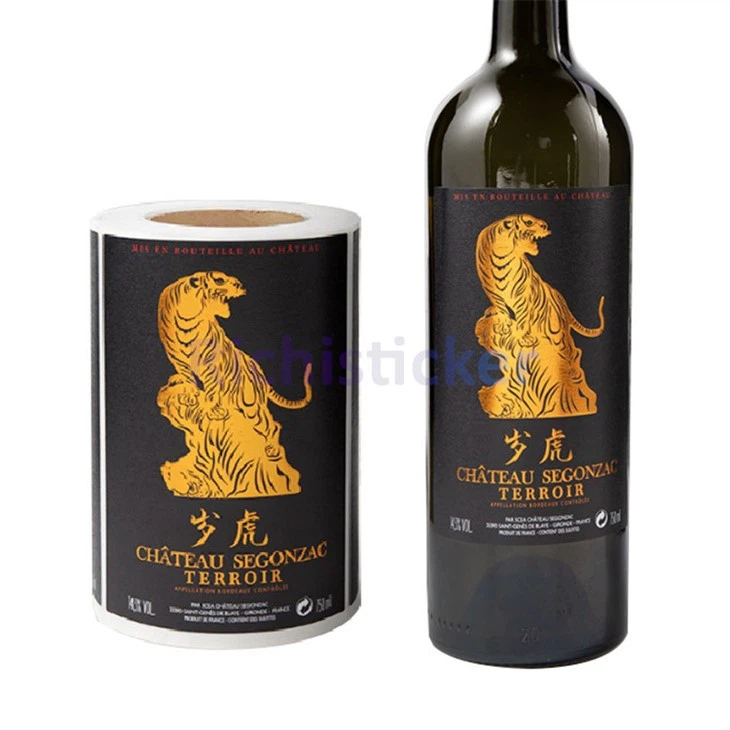
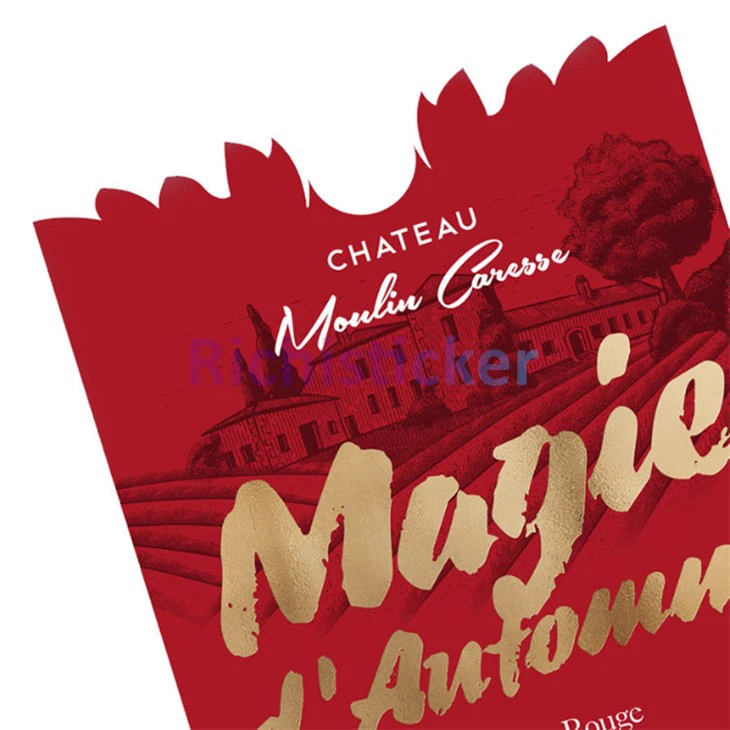
For high - end wines, a premium and luxury label design is essential to convey the quality and exclusivity of the product. These labels often feature elaborate details, such as embossing, foiling, and raised printing. Gold and silver foiling, in particular, can add a touch of opulence and make the label stand out.
Embossed elements, such as the winery's logo or the name of the wine, create a tactile experience for the consumer. Raised printing can also add depth and dimension to the label. Our company offers a range of premium label options, including Bronzing Self - Adhesive Wine Labels and Hot Stamping Sticker For Wine Bottle, which are perfect for wineries looking to create a luxury brand image.
Customization and Personalization
In an era where consumers value individuality, customization and personalization are key trends in wine bottle label design. Wineries are increasingly offering custom - designed labels for special occasions, such as weddings, corporate events, or private tastings. These labels can feature the client's name, logo, or a personalized message, making the wine a unique and memorable gift.
As a supplier, we have the capabilities to create fully customized labels, from the initial design concept to the final production. Our team of designers works closely with clients to understand their vision and bring it to life. We also offer Self Adhesive Wine And Liquor Label options that are easy to apply and can be customized in various shapes and sizes.
Conclusion
The trends in wine bottle label design are constantly evolving, driven by changes in consumer preferences, technological advancements, and the need for wineries to differentiate their products. As a Wine Bottle Labels supplier, we are committed to staying at the forefront of these trends and providing our clients with high - quality, innovative label solutions.
Whether you're a small - scale winery looking to create a unique brand identity or a large - scale producer aiming to update your label design, we have the expertise and resources to meet your needs. Our team of designers and production experts can work with you to develop a label that not only looks great but also effectively communicates the story and value of your wine.
If you're interested in learning more about our wine bottle label products and services, or if you have a specific design in mind, we encourage you to reach out to us. We're eager to start a conversation and help you take your wine brand to the next level with a captivating label design.
References
- "The Impact of Packaging Design on Consumer Perception of Wine Quality," Journal of Wine Research
- "Sustainable Packaging in the Wine Industry: Trends and Opportunities," International Journal of Wine Business Research
- "Storytelling in Wine Marketing: How Labels Can Connect with Consumers," Wine Business Monthly


