


Nickel stickers are a versatile and innovative product that has gained significant popularity in various industries. As a supplier of Nickel Stickers, I often receive inquiries about their suitability for use on metal surfaces. In this blog post, I will delve into the technical aspects, advantages, and limitations of using nickel stickers on metal surfaces, providing you with a comprehensive understanding of this application.
Technical Compatibility of Nickel Stickers on Metal Surfaces
Nickel stickers are typically made of a nickel - based material that is coated with an adhesive layer. The adhesive is designed to bond effectively with a variety of surfaces, including metals. The key to the successful application of nickel stickers on metal surfaces lies in the compatibility between the adhesive and the metal substrate.
Most modern nickel stickers use pressure - sensitive adhesives (PSAs). These adhesives work by applying pressure to the sticker, which activates the bonding mechanism. Metals, such as steel, aluminum, and brass, have smooth and relatively non - porous surfaces. PSAs can form a strong bond with these surfaces because they can flow into the microscopic irregularities on the metal surface, creating a mechanical interlock.
Moreover, the chemical properties of the metal surface also play a crucial role. For example, metals with a passive oxide layer, like stainless steel, can sometimes pose challenges for adhesion. However, with the right type of adhesive, it is still possible to achieve a reliable bond. Some adhesives are formulated to chemically interact with the metal surface, enhancing the bond strength.

Advantages of Using Nickel Stickers on Metal Surfaces
Durability
Nickel is a highly durable metal. When used as a sticker on a metal surface, it can provide long - lasting protection against corrosion, abrasion, and environmental factors. For example, in outdoor applications where metal structures are exposed to harsh weather conditions, nickel stickers can act as a barrier, preventing rust and other forms of degradation.
Aesthetic Appeal
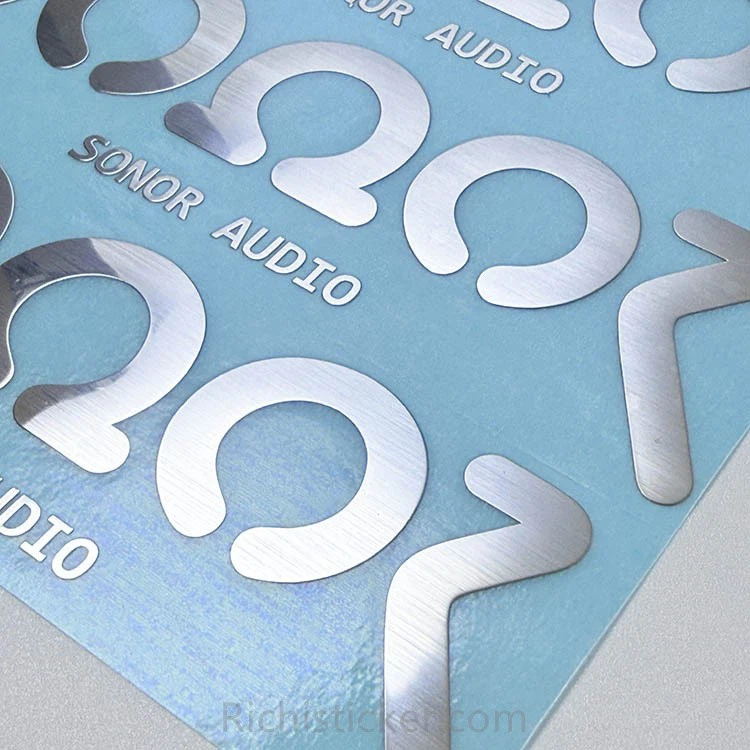
Nickel has a distinct, shiny appearance that can enhance the visual appeal of metal surfaces. Whether it is for decorative purposes on consumer products or branding on industrial equipment, nickel stickers can add a touch of elegance and professionalism. They can be customized with various designs, logos, and text, making them a popular choice for marketing and branding.
Electrical Conductivity
Nickel is an excellent conductor of electricity. In electronic applications, nickel stickers can be used on metal components to provide electrical grounding or to create conductive pathways. This is particularly useful in the manufacturing of printed circuit boards (PCBs), where precise electrical connections are required.
Limitations and Considerations
Surface Preparation
Proper surface preparation is essential for achieving a strong bond between the nickel sticker and the metal surface. The metal surface must be clean, dry, and free of any contaminants such as oil, grease, or dust. Any residue on the surface can prevent the adhesive from bonding effectively, leading to premature peeling or delamination.
Temperature and Chemical Resistance
While nickel stickers are generally resistant to a wide range of temperatures and chemicals, extreme conditions can still affect their performance. For example, exposure to high temperatures can cause the adhesive to soften and lose its bonding strength. Similarly, contact with certain chemicals can degrade the adhesive or the nickel material itself. It is important to consider the specific environmental conditions in which the nickel stickers will be used and choose the appropriate type of sticker accordingly.
Compatibility with Different Metals
Not all metals are equally compatible with nickel stickers. Some metals may react chemically with the nickel or the adhesive, leading to corrosion or other issues. For example, certain types of aluminum alloys may be prone to galvanic corrosion when in contact with nickel. It is necessary to conduct compatibility tests before applying nickel stickers on unfamiliar metal surfaces.
Case Studies
Automotive Industry
In the automotive industry, nickel stickers are commonly used on metal parts for decorative and functional purposes. For example, they can be found on door handles, emblems, and engine components. The durability of nickel stickers ensures that they can withstand the vibrations, temperature changes, and exposure to road chemicals associated with automotive use.
Electronics Industry
In the electronics industry, nickel stickers are used on metal enclosures and components to provide electromagnetic shielding. The electrical conductivity of nickel allows it to effectively block electromagnetic interference (EMI), protecting sensitive electronic circuits from external signals.
How to Apply Nickel Stickers on Metal Surfaces
- Surface Cleaning: Use a suitable cleaner to remove any dirt, oil, or grease from the metal surface. A mild detergent and water solution can be used for general cleaning, followed by a thorough rinse and drying.
- Sticker Preparation: Carefully remove the nickel sticker from its backing paper, taking care not to touch the adhesive side with your fingers.
- Application: Align the sticker with the desired position on the metal surface and apply gentle pressure. Start from one end and gradually smooth out the sticker, removing any air bubbles as you go.
- Final Pressing: Once the sticker is in place, use a roller or a squeegee to apply firm pressure across the entire surface of the sticker. This will ensure a strong bond between the sticker and the metal.
Conclusion
In conclusion, nickel stickers can be effectively used on metal surfaces, offering a range of benefits including durability, aesthetic appeal, and electrical conductivity. However, it is important to consider the technical aspects, limitations, and proper application procedures to ensure a successful outcome. As a Nickel Sticker supplier, I am committed to providing high - quality products and technical support to help you achieve the best results with your nickel sticker applications.
If you are interested in purchasing nickel stickers for your metal surface applications, I encourage you to contact me for more information. We can discuss your specific requirements, provide samples, and offer customized solutions to meet your needs. Whether you are in the automotive, electronics, or any other industry, our nickel stickers can provide the performance and quality you are looking for.
References
- "Handbook of Adhesives and Surface Preparation: Technology, Applications and Manufacturing", Edited by K. L. Mittal.
- "Corrosion Resistance of Metals and Alloys", Third Edition, by David A. Jones.
- "Electrical Conductivity of Metals and Alloys", by R. A. Huggins.


