


In the world of product branding and personalization, stickers and labels play a pivotal role. They are not just decorative elements but powerful tools for communication, identification, and promotion. As a seasoned supplier of stickers and labels, I've witnessed firsthand the diverse needs and preferences of our clients. One of the most common questions we encounter is about the differences between vinyl and paper stickers and labels. In this blog post, I'll delve into the unique characteristics, advantages, and use - cases of each, helping you make an informed decision for your next project.
Material Composition
Let's start with the basics: the material. Paper stickers are made from various types of paper, including matte, glossy, and kraft paper. These papers can be coated or uncoated, depending on the desired finish. Paper is a natural and renewable resource, which makes it an eco - friendly option for many applications.
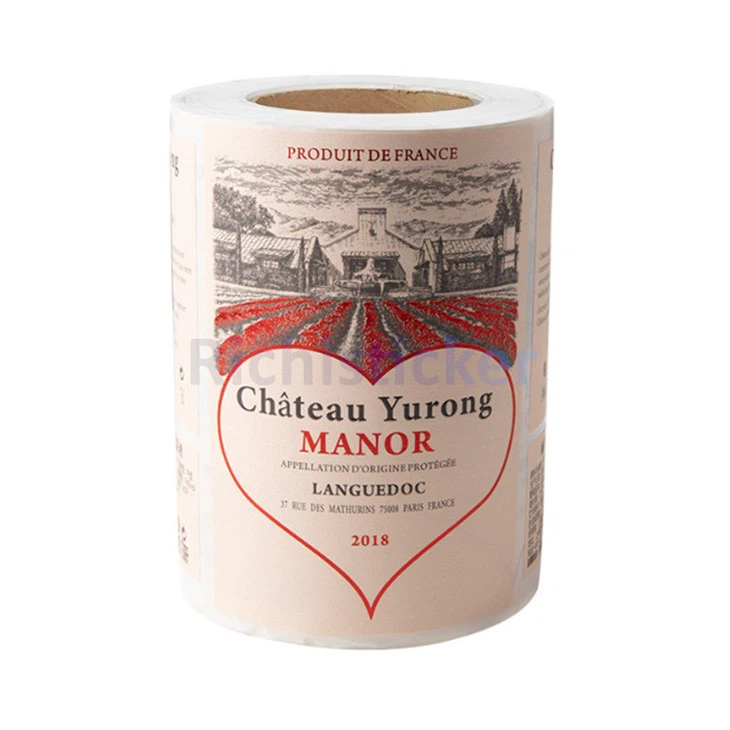

On the other hand, vinyl stickers are crafted from polyvinyl chloride (PVC) or other vinyl polymers. Vinyl is a synthetic material known for its durability and flexibility. It comes in different forms, such as opaque, transparent, and glittery, offering a wide range of visual effects.
Durability
When it comes to durability, vinyl and paper stickers and labels have distinct differences. Paper stickers are generally less durable compared to their vinyl counterparts. They are prone to tearing, wrinkling, and water damage. If exposed to moisture, the ink on paper stickers may smudge, and the paper itself can become soggy and lose its shape.
Vinyl stickers, however, are extremely durable. They are resistant to water, UV rays, and abrasion. This makes them suitable for outdoor use, such as on cars, boats, and outdoor signage. Vinyl stickers can withstand harsh weather conditions, including rain, snow, and extreme temperatures, without fading or peeling. For example, our Textured Red Wine Bottle Vinyl Stickers are designed to endure the humidity and handling in a wine cellar or during transportation.
Adhesive Quality
The adhesive used in stickers and labels is crucial for their performance. Paper stickers typically use a standard adhesive that provides a decent hold on smooth surfaces. However, this adhesive may not be as strong or long - lasting as that of vinyl stickers. Over time, paper stickers may start to peel off, especially in areas with high humidity or frequent handling.
Vinyl stickers are equipped with a high - quality adhesive that ensures a strong and long - term bond. The adhesive is designed to stick firmly to a variety of surfaces, including glass, metal, plastic, and wood. Whether it's a UV Bronzing Stickers Vinyl Wine Bottle Label on a glass wine bottle or a car decal on a metal surface, the vinyl sticker will stay in place for an extended period.
Print Quality
Print quality is another important factor to consider. Paper stickers can achieve excellent print quality, especially when using high - resolution printing techniques. The smooth surface of paper allows for sharp and detailed images, making it a popular choice for applications that require fine - art reproduction or text - heavy designs. Matte paper provides a non - reflective finish, which is ideal for a sophisticated and elegant look, while glossy paper offers a vibrant and eye - catching appearance.
Vinyl stickers also offer high - quality printing options. Digital printing technology can produce vivid colors and sharp graphics on vinyl. Additionally, vinyl allows for unique printing effects, such as embossing, debossing, and foil stamping. These effects can add a luxurious and professional touch to your stickers and labels, making them stand out from the competition.
Cost
Cost is often a determining factor in the decision - making process. Paper stickers are generally more cost - effective than vinyl stickers. The raw material cost of paper is lower, and the production process is usually simpler. This makes paper stickers a great option for short - term promotions, temporary signage, or projects with a limited budget.
Vinyl stickers, due to their superior durability and advanced printing options, tend to be more expensive. However, considering their long - term performance and the professional look they provide, the investment in vinyl stickers can be well worth it, especially for high - end products or long - term branding campaigns.
Use Cases
The choice between vinyl and paper stickers and labels largely depends on the intended use. Paper stickers are commonly used for indoor applications, such as product packaging, event invitations, and office organization. They are also popular for craft projects and personal use, like scrapbooking and journaling.
Vinyl stickers have a broader range of applications. They are widely used in outdoor advertising, vehicle branding, and industrial labeling. In the retail industry, vinyl labels are often used on high - end products to convey a sense of quality and sophistication. For example, in the wine industry, vinyl labels are preferred for their ability to resist moisture and maintain their appearance over time.
Environmental Impact
In today's environmentally conscious world, the environmental impact of products is an important consideration. Paper stickers have an advantage in this regard. Paper is a renewable resource, and many paper products are made from recycled materials. Additionally, paper stickers can be recycled after use, reducing their environmental footprint.
Vinyl, on the other hand, is a synthetic material that is not biodegradable. However, some vinyl manufacturers are taking steps to reduce their environmental impact by using more sustainable production methods and offering recyclable vinyl options. When choosing between vinyl and paper, it's important to consider your environmental values and the disposal options available.
Conclusion
In conclusion, both vinyl and paper stickers and labels have their own unique advantages and disadvantages. Paper stickers are cost - effective, suitable for indoor use, and have a lower environmental impact. Vinyl stickers, on the other hand, are highly durable, offer advanced printing options, and are ideal for outdoor and long - term applications.
As a supplier of stickers and labels, we understand that every project is unique, and we are here to help you choose the right material for your specific needs. Whether you're looking for a simple paper sticker for a one - time event or a high - quality vinyl label for a premium product, we have the expertise and resources to deliver.
If you're interested in learning more about our sticker and label products or have a specific project in mind, we invite you to contact us for a detailed consultation. Our team of experts will work closely with you to understand your requirements and provide customized solutions that meet your expectations.
References
- "Sticker and Label Materials: A Comprehensive Guide" by Industry Insights Publications
- "The Science of Adhesives in Stickers and Labels" by Journal of Adhesive Technology
- "Printing Techniques for Vinyl and Paper Stickers" by Printing Press International


