


Can polycarbonate labels be used in marine environments?
As a supplier of Polycarbonate Labels, I often get asked whether our products can withstand the harsh conditions of marine environments. The answer is a resounding yes, and in this blog post, I'll explain why polycarbonate labels are an excellent choice for marine applications.
Understanding the Marine Environment
The marine environment is one of the most challenging settings for any material. It is characterized by high humidity, constant exposure to saltwater, extreme temperature variations, and intense sunlight. Saltwater is highly corrosive, and the combination of salt, moisture, and oxygen can cause rapid degradation of many materials. Additionally, the ultraviolet (UV) rays from the sun can fade colors and weaken the structural integrity of labels over time.
Properties of Polycarbonate
Polycarbonate is a thermoplastic polymer known for its exceptional strength, durability, and transparency. It has a high impact resistance, which means it can withstand physical stress without cracking or breaking. This is particularly important in marine environments where labels may be subject to impacts from waves, debris, or equipment.
One of the key properties of polycarbonate is its resistance to UV radiation. UV rays can cause polymers to break down, leading to discoloration, embrittlement, and loss of mechanical properties. Polycarbonate, however, has excellent UV stability, which means it can maintain its appearance and performance even after prolonged exposure to sunlight.
Polycarbonate also has good chemical resistance, making it resistant to the corrosive effects of saltwater. It does not react with the salts and other chemicals present in seawater, which helps to prevent degradation and ensures the longevity of the labels.

Advantages of Polycarbonate Labels in Marine Environments
- Durability: Polycarbonate labels are extremely durable and can withstand the harsh conditions of the marine environment. They are resistant to impact, abrasion, and chemical corrosion, which means they can maintain their integrity and legibility for a long time.
- Visibility: The transparency and clarity of polycarbonate make it an ideal material for labels that need to be easily visible. In marine applications, where visibility is crucial for safety and navigation, polycarbonate labels can provide clear and sharp graphics and text.
- Customization: Polycarbonate labels can be easily customized to meet the specific needs of marine applications. They can be printed with high-quality graphics, logos, and text using a variety of printing methods, such as screen printing, digital printing, or laser engraving. This allows for the creation of unique and personalized labels that can enhance the branding and functionality of marine equipment.
- Weather Resistance: Polycarbonate labels are resistant to weathering, which means they can maintain their appearance and performance in different weather conditions. They are not affected by rain, snow, or extreme temperatures, making them suitable for use in both tropical and cold climates.
Applications of Polycarbonate Labels in Marine Environments
Polycarbonate labels have a wide range of applications in the marine industry. Some of the common applications include:
- Boat and Ship Identification: Polycarbonate labels can be used to identify boats and ships, including their names, registration numbers, and safety information. These labels are typically placed on the hull, deck, or other visible areas of the vessel.
- Equipment Labeling: Marine equipment, such as engines, pumps, and navigation systems, often require labels to provide instructions, warnings, and identification. Polycarbonate labels can be used to label these equipment, ensuring that the information is clear and visible.
- Safety Signage: Safety is a top priority in the marine industry, and polycarbonate labels can be used to create safety signage, such as warning signs, emergency exit signs, and fire safety signs. These labels are designed to be highly visible and durable, ensuring that they can be easily seen in different lighting conditions.
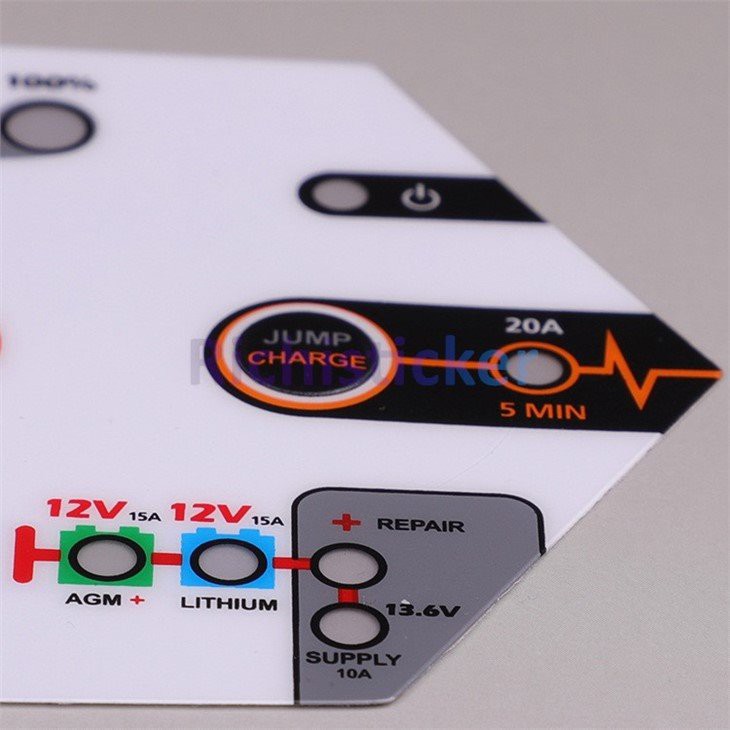
- Control Panels: Polycarbonate labels can be used to label control panels on boats and ships, providing operators with clear instructions and information. These labels are typically placed on the front panel of the control system, making them easy to read and access.
Examples of Our Polycarbonate Labels for Marine Applications
We offer a wide range of polycarbonate labels that are suitable for marine applications. Some of our popular products include:
- Matte Lexan Graphic Overlays FacePlate: These labels feature a matte finish, which provides a non-glare surface for clear visibility. They are ideal for use in areas where glare can be a problem, such as on the dashboard of a boat.
- Lexan Polycarbonate Graphic Overlays Panel: These labels are made from high-quality Lexan polycarbonate and are designed to provide a durable and attractive solution for equipment labeling. They can be printed with high-resolution graphics and text, making them suitable for use in a variety of marine applications.
- Die Cutting Window Graphic Overlays Lexan Stickers: These labels are die-cut to create custom shapes and sizes, making them ideal for use in areas where space is limited. They can be used to label windows, doors, and other transparent surfaces on boats and ships.
Conclusion
In conclusion, polycarbonate labels are an excellent choice for marine environments. Their durability, visibility, customization options, and weather resistance make them suitable for a wide range of applications in the marine industry. Whether you need to label boats, ships, equipment, or safety signage, polycarbonate labels can provide a reliable and long-lasting solution.
If you are interested in learning more about our polycarbonate labels or would like to discuss your specific requirements, please feel free to contact us. Our team of experts will be happy to assist you in finding the right labels for your marine applications.
References
- "Polycarbonate: Properties, Processing, and Applications" by John A. Brydson
- "Marine Coatings and Corrosion Protection" by K. N. Subramanian
- "UV Resistance of Polymers" by Charles A. Daniels


